
Max Elevation
~5,545 m [Kala Patthar]

Group Size
Min. 2 Pax

Duration
12 Days

Difficulty
Demanding/Difficult

Accommodation
Twin-sharing teahouse lodges; facilities become more basic at higher altitudes

Meals
B.L.D

Best Seasons
March–May & Sept–Nov

Transportation
Car and Flight

Region
Everest Region
Experience the adventure of a lifetime on our 12-Day Everest Base Camp Trek, traveling through the heart of Nepal’s Khumbu region to the base of the world’s highest mountain.
Follow scenic Himalayan trails through Sherpa villages, visit Tengboche Monastery, and enjoy spectacular views of Everest and surrounding peaks.
Designed for travelers with limited time, this guided trekking package takes you to Everest Base Camp (5,364 m), with a planned early-morning hike to Kala Patthar for panoramic Himalayan views, conditions permitting.
With an experienced trekking guide, acclimatization days, and comfortable teahouse accommodation, this package is designed to help you make the most of your Everest adventure.
Ready to trek to Everest Base Camp? Explore the itinerary and package details below, or contact our team to discuss your preferred departure dates and obtain a confirmed quotation.
If you prefer a more gradual ascent or additional flexibility, compare this itinerary with our 16 Days Trekking to Everest Base Camp.
The 12-day Everest Base Camp trek is ideal for travelers with limited holiday time who seek an unforgettable Himalayan adventure. However, its fast-paced itinerary requires good fitness, preparation, and an understanding of high-altitude risks.
With two acclimatization days in Namche Bazaar and Dingboche, the trek still involves long walking days, significant altitude gains, and an overnight stay at approximately 5,164 m in Gorak Shep, with no spare days for additional acclimatization or flight delays.
This trek may suit you if you:
If you are new to high-altitude trekking or prefer a more gradual ascent and greater flexibility, consider a longer itinerary.
Your safety always comes first. Your guide may adjust the itinerary when necessary, and reaching Everest Base Camp or Kala Patthar is never worth compromising your health.
| Day | Route and activity | Walking time | Overnight |
| 1 | Fly to Lukla and trek to Phakding | 3–4 hours | Phakding, 2,610 m |
| 2 | Phakding to Namche Bazaar | 6–7 hours | Namche Bazaar, 3,440 m |
| 3 | Acclimatization day in Namche Bazaar | Short hike | Namche Bazaar, 3,440 m |
| 4 | Namche Bazaar to Tengboche | 5–6 hours | Tengboche, 3,860 m |
| 5 | Tengboche to Dingboche | 5–6 hours | Dingboche, 4,410 m |
| 6 | Acclimatization day in Dingboche | Short hike | Dingboche, 4,410 m |
| 7 | Dingboche to Lobuche | 5–6 hours | Lobuche, 4,910 m |
| 8 | Lobuche to Gorak Shep; visit Everest Base Camp and return | 7–9 hours | Gorak Shep, 5,164 m |
| 9 | Kala Patthar ascent, then descend to Pheriche | 7–9+ hours | Pheriche, approximately 4,240 m |
| 10 | Pheriche to Namche Bazaar | 6–8 hours | Namche Bazaar, 3,440 m |
| 11 | Namche Bazaar to Lukla | 6–8 hours | Lukla, 2,860 m |
| 12 | Fly from Lukla to Kathmandu or via Ramechhap/Manthali | Flight | Kathmandu |
Walking times are estimates and vary with weather, trail conditions, group pace, and individual fitness. The guide may adjust the itinerary when health or safety requires it.
Kala Patthar is planned for Day 9 but may be skipped if conditions make the ascent unsuitable.
Scroll down to check our detailed itinerary below.
Understanding sleeping altitude helps you appreciate the demands of the Everest Base Camp trek. The table below summarizes the planned overnight elevations and changes between nights.
| Night | Location | Sleeping altitude | Change from previous night |
| 1 | Phakding | 2,610 m | Starting night |
| 2 | Namche Bazaar | 3,440 m | +830 m |
| 3 | Namche Bazaar | 3,440 m | 0 m |
| 4 | Tengboche | 3,860 m | +420 m |
| 5 | Dingboche | 4,410 m | +550 m |
| 6 | Dingboche | 4,410 m | 0 m |
| 7 | Lobuche | 4,910 m | +500 m |
| 8 | Gorak Shep | 5,164 m | +254 m |
| 9 | Pheriche | 4,240 m | -924 m |
| 10 | Namche Bazaar | 3,440 m | -800 m |
| 11 | Lukla | 2,860 m | -580 m |
The planned sleeping-altitude increases on Days 2 and 5 are substantial, and the ascent to Gorak Shep brings you above 5,000 m. The two scheduled acclimatization days are important, but they do not eliminate the risk of altitude illness.
The Everest Base Camp trek is a demanding high-altitude trek, not a technical climbing expedition. Expect long walking days, steep trails, cold nights, and basic lodge facilities at higher elevations.
The most challenging sections are usually the trek to Everest Base Camp and the early-morning Kala Patthar ascent.
Start training 8–12 weeks before departure with:
Previous trekking experience is helpful, but good fitness does not guarantee tolerance to high altitude.
Altitude sickness can affect anyone. Early symptoms include headache, nausea, dizziness, fatigue, and loss of appetite. Confusion, poor coordination, or breathlessness at rest may indicate a serious emergency.
Inform your guide immediately if symptoms develop or worsen. Serious altitude illness requires urgent medical attention and descent; continuing upward is unsafe. Your guide may adjust or cancel parts of the itinerary for safety.
Ensure your travel insurance covers high-altitude trekking and emergency helicopter evacuation, subject to policy conditions.
Spring and autumn are the most popular seasons for the Everest Base Camp trek.
Weather can change quickly in both seasons, and Lukla flights are subject to weather-related delays and cancellations.
For more details, see our Best Time to trek in Nepal guide.
Prepare for changing temperatures, strong sunlight, wind, and cold nights at high altitude. Our team can provide a detailed gear checklist after booking.
| Category | Recommended items |
| Provided by our team | Down jacket, sleeping bag, and duffle bag for use during the trek, as specified in the package |
| Clothing layers | Thermal base layers, fleece or insulating mid-layer, waterproof shell, warm trekking trousers |
| Head and hands | Warm hat, sun hat, sunglasses, gloves, and headlamp |
| Footwear | Broken-in trekking boots, wool socks, and camp shoes |
| Health and hygiene | Personal medication, sunscreen, lip balm, blister care, and water purification supplies |
| Day-to-day essentials | Daypack, reusable water bottle, and trekking poles if you prefer them |
Check the final equipment list with our team to confirm which items are provided and which you must bring yourself.
For the complete list, see our Complete Packing List for trekking.
Your adventure begins with a scenic mountain flight to Lukla, the gateway to the Everest region. Depending on the season and flight operations, your flight may depart from Kathmandu or Ramechhap/Manthali, with a road transfer arranged according to your package.
After meeting your trekking crew in Lukla, descend into the Dudh Koshi Valley, passing traditional Sherpa villages, prayer wheels, mani walls, and suspension bridges before reaching Phakding. This relatively short first day allows you to settle into the mountain environment.
Walking time: 3–4 hours
Overnight: Phakding
Follow the Dudh Koshi River through forested trails and across several suspension bridges before entering Sagarmatha National Park at Monjo. Continue through Jorsale before tackling the steep final ascent to Namche Bazaar.
The main trading hub of the Khumbu region, Namche offers teahouses, bakeries, shops, and impressive mountain views. Walk steadily as you gain significant altitude and inform your guide if you feel unwell.
Walking time: 6–7 hours
Overnight: Namche Bazaar
Spend the day allowing your body to adjust to the altitude. Depending on your condition and the weather, your guide may arrange a hike toward Syangboche and the Everest View Hotel, with an optional visit to Khumjung village.
Gain some elevation during the day before returning to Namche to sleep. You can also explore the Sherpa Culture Museum or relax at your lodge. This acclimatization day helps prepare you for higher elevations but does not eliminate altitude-related risks.
Walking time: Short acclimatization hike
Overnight: Namche Bazaar
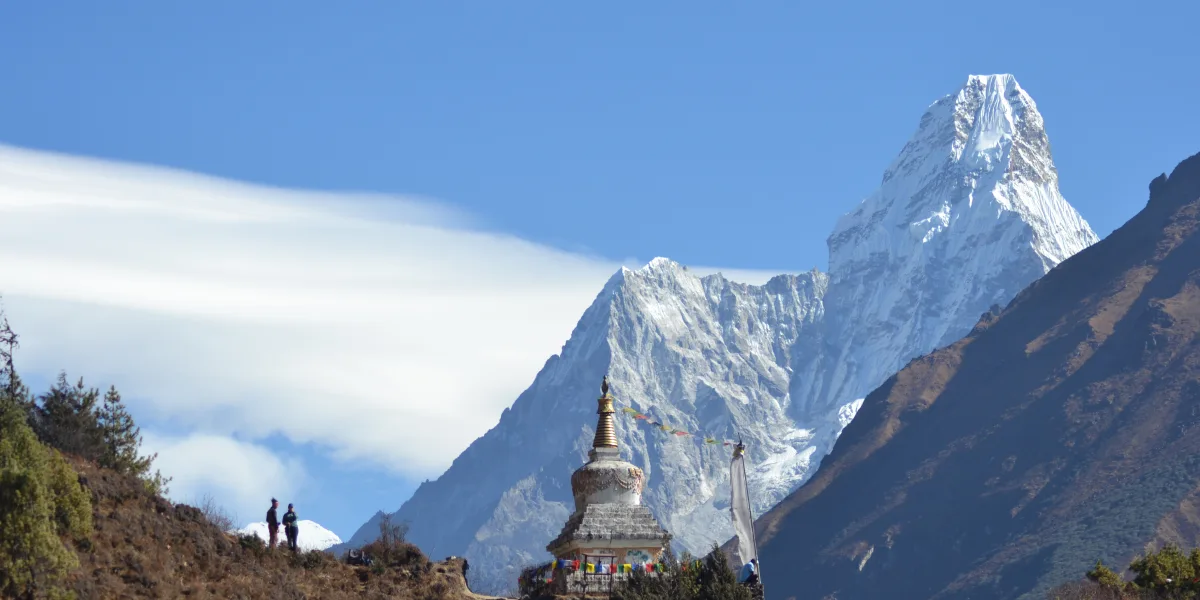
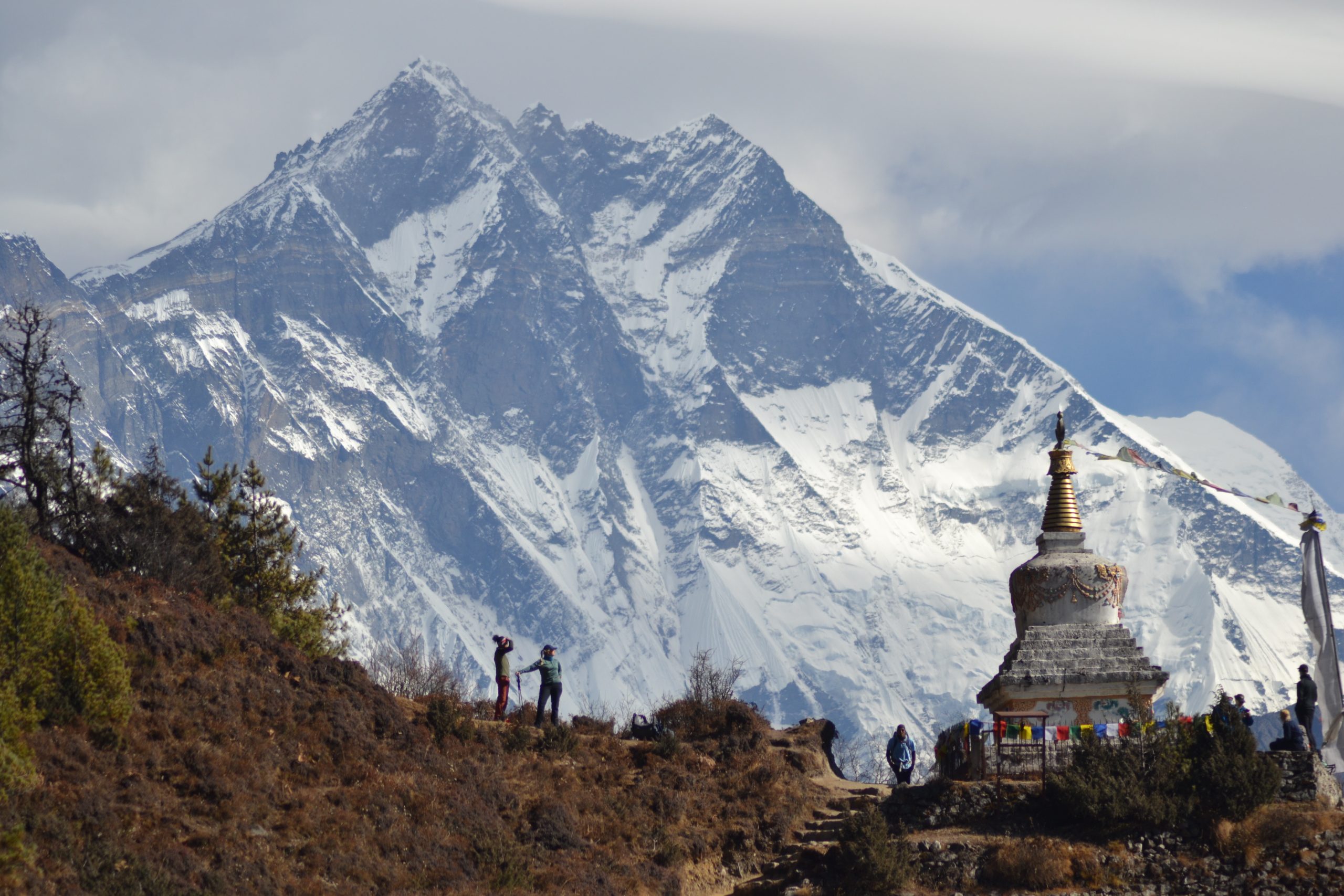
Enjoy a scenic trail with views of Everest, Lhotse, Nuptse, and Ama Dablam in clear weather. Descend toward Phunki Tenga before climbing through pine and rhododendron forests to Tengboche.
The village is famous for Tengboche Monastery, one of the most significant Buddhist monasteries in the Everest region. If time permits, visit the monastery and experience the area’s peaceful mountain atmosphere.
Walking time: 5–6 hours
Overnight: Tengboche
Descend through forested trails and cross the Imja Khola before passing Pangboche, one of the region’s traditional Sherpa settlements. As you climb higher, the landscape opens into rugged valleys, stone-walled fields, and dramatic mountain scenery.
Continue to Dingboche, a high-altitude village surrounded by Himalayan peaks. At approximately 4,410 m, the thinner air can affect your walking pace, appetite, and sleep, so take your time and communicate any concerning symptoms to your guide
Walking time: 5–6 hours
Overnight: Dingboche
Enjoy a second planned acclimatization day before continuing toward Lobuche. If your health and the weather allow, your guide may recommend a gradual hike toward Nangkartshang Hill for panoramic views of the Imja Valley and surrounding peaks.
The climb can be strenuous, so the goal is to adjust comfortably rather than reach the highest possible point. Return to Dingboche for an overnight stay and rest before the next stage of the trek.
Walking time: Short acclimatization hike
Overnight: Dingboche
Continue through the upper Khumbu Valley, passing the Thukla/Dughla area and its stone memorials honoring climbers who lost their lives in the Everest region. Beyond the memorials, the trail crosses rugged slopes and glacial terrain toward Lobuche.
As you approach 4,910 m, temperatures drop and sleep may become more difficult. Keep warm, eat regularly, and let your guide know if you experience symptoms of altitude illness.
Walking time: 5–6 hours
Overnight: Lobuche
Today is one of the trek’s major highlights and most demanding days. Follow the rugged trail alongside the Khumbu Glacier toward Gorak Shep, where you can leave your overnight gear before continuing to Everest Base Camp.
Cross glacial moraine and rocky terrain to reach Everest Base Camp at approximately 5,364 m. Enjoy the remarkable surroundings of the Khumbu Glacier and the towering Himalayan peaks, noting that Everest’s summit is generally not visible from Base Camp itself.
After spending time at the destination, return to Gorak Shep for the night. Your guide may adjust the plan if weather, trail conditions, or altitude-related symptoms make the excursion unsafe.
Walking time: Approximately 7–9 hours
Overnight: Gorak Shep (approximately 5,164 m)
Start early for the ascent of Kala Patthar (approximately 5,545 m), one of the Everest region’s most famous viewpoints. Weather permitting, enjoy panoramic views of Everest, Nuptse, and the surrounding Himalayan peaks.
The climb is steep and can be extremely cold before sunrise. The ascent is planned for this day but may be skipped if your health or weather conditions make it unsafe.
Afterward, descend via Gorak Shep, Lobuche, and the Thukla area toward Pheriche. This is a long day combining a high-altitude hike with substantial descent, so your safety takes priority over reaching the viewpoint.
Walking time: Approximately 7–9+ hours
Overnight: Pheriche
Retrace your route through the Khumbu Valley, passing familiar settlements such as Pangboche and Tengboche before continuing toward Namche Bazaar.
Although you are descending to lower elevations, the trail includes undulating terrain and uphill sections. As altitude decreases, breathing and sleep may become easier, though fatigue from the preceding days can remain. Maintain a comfortable pace throughout the day.
Walking time: Approximately 6–8 hours
Overnight: Namche Bazaar
Continue through Monjo and Phakding, crossing suspension bridges and following the Dudh Koshi Valley toward Lukla. The route includes both descents and uphill sections, so allow enough time to complete the final trekking day comfortably.
Upon arrival in Lukla, celebrate the completion of your Everest Base Camp adventure with your guide and trekking crew. Spend the night preparing for your return flight.
Walking time: Approximately 6–8 hours
Overnight: Lukla
Transfer to Lukla Airport for your scheduled flight to Kathmandu. Depending on the season and flight operations, your flight may arrive directly in Kathmandu or operate via Ramechhap/Manthali, with the required road transfer arranged according to your package.
Lukla flights are weather-dependent and may be delayed or cancelled. As this itinerary has no built-in contingency day, we strongly recommend allowing at least two to three additional days before your international departure.
Activity: Return flight
Destination: Kathmandu
Accommodation note: Lodges at higher elevations are basic. Private rooms and attached bathrooms cannot be guaranteed throughout the trek.


It is a demanding high-altitude trek without technical climbing. Expect several hours of walking each day, steep sections, basic accommodation at high elevations, and an overnight stay above 5,000 m at Gorak Shep. Good physical preparation and previous multi-day trekking experience are beneficial.
The compressed schedule also leaves little room for delays or changes in acclimatization.
This package is designed to complete the route in 12 days, including flights between Kathmandu and Lukla.
It includes planned acclimatization days in Namche Bazaar and Dingboche, but the ascent remains demanding and the itinerary has no spare day.
If you are inexperienced at altitude or prefer a more gradual ascent, consider a longer itinerary.
Everest Base Camp on the Nepal side is approximately 5,364 m (17,598 ft) above sea level. Kala Patthar, the planned viewpoint excursion on Day 9, reaches approximately 5,545 m and is attempted when health and weather conditions permit.
The current listed price is $[PRICE] per person. The package includes scheduled return Lukla flights, required transfers as specified, three daily meals during the trek, accommodation, a trekking guide, porter support, and permits. International airfare, personal travel insurance, Kathmandu hotel accommodation, and other listed exclusions are not included. Contact our team for a confirmed quotation and any group-size pricing.
Yes. Scheduled return flights between Kathmandu and Lukla are included. Depending on the season and flight operations, flights may operate from Ramechhap/Manthali instead of Kathmandu. In that case, the required road transfer between Kathmandu and Manthali is arranged as part of the package. Confirm the exact flight and transfer arrangements in your booking confirmation.
Lukla flights are weather-dependent and can be delayed or cancelled. This itinerary has no built-in contingency day, so we strongly recommend allowing at least two to three extra days before your international departure. Additional accommodation, meals, transportation, or rebooking expenses may be payable separately under the booking terms.
Yes. The itinerary plans an early-morning ascent of Kala Patthar on Day 9. We aim to include it whenever possible because it offers some of the best-known panoramic views of Mount Everest and surrounding peaks. However, the ascent may be skipped if your health, weather, or trail conditions make it unsafe. Your guide’s safety assessment takes priority.
The summit is generally obscured from Everest Base Camp by the surrounding terrain and the Khumbu Icefall. Kala Patthar is the classic viewpoint for panoramic views of Everest, Nuptse, and surrounding mountains, weather permitting.
Yes. The package includes the Sagarmatha National Park entry permit and Khumbu Pasang Lhamu Rural Municipality permit, along with the specified government taxes and office service charges.
You will stay in twin-sharing teahouse lodges. We aim to provide the best available lodges above Namche Bazaar, but facilities become more basic at higher elevations and availability varies. Private rooms and attached bathrooms cannot be guaranteed throughout the trek. Hot showers, Wi-Fi, and device charging may cost extra.
Yes. Personal travel insurance is not included in the package. Choose a policy that explicitly covers high-altitude trekking to the maximum elevations on this itinerary and emergency helicopter evacuation, subject to the policy’s terms and conditions.
Spring (March–May) and autumn (September–November) are the most popular trekking seasons. Weather and visibility vary, and flights can be disrupted in any season. Read our [INTERNAL LINK: best time for Everest Base Camp trek] guide for more information.
Technical climbing skills are not required, but you should be comfortable walking for several consecutive days, including on steep and uneven terrain. Previous multi-day trekking experience is strongly beneficial for this compressed itinerary. Begin preparing well in advance and discuss any concerns about altitude or fitness with an appropriate medical professional.
Booking Form