Max Elevation
5050m

Group Size
Min.1 Pax

Duration
16 Days

Difficulty
Moderate-Difficult

Accomodation
Hotels/Lodges

Meals
L.D.B

Best Seasons
March-May & Sept-Nov

Transportation
Vehicles

Region
Langtang Region
The Langtang and Gosaikunda Trek is one of Nepal’s most captivating trekking routes, offering a perfect mix of scenic beauty, cultural depth, and spiritual significance. Set in the heart of the Langtang National Park in the Rasuwa district, this trek takes you through glacier-fed valleys, sacred alpine lakes, and remote mountain villages inhabited by Tamang and Sherpa communities.
Far less crowded than Everest or Annapurna, this trail is ideal for trekkers looking to escape the commercial routes and explore a more untouched side of the Himalayas. You’ll follow trails lined with rhododendron forests, yak pastures, and ancient monasteries—culminating at the sacred Gosaikunda Lake, a pilgrimage site revered by Hindus and Buddhists alike.
This 16-day adventure not only immerses you in the natural wonders of the Langtang region but also provides powerful cultural connections and spiritual moments along the way.
The Langtang and Gosaikunda Trek is perfect for trekkers seeking peaceful trails, sacred sites, and authentic culture. Unlike the crowded Everest or Annapurna routes, this 16-day journey offers a quieter and more immersive experience.
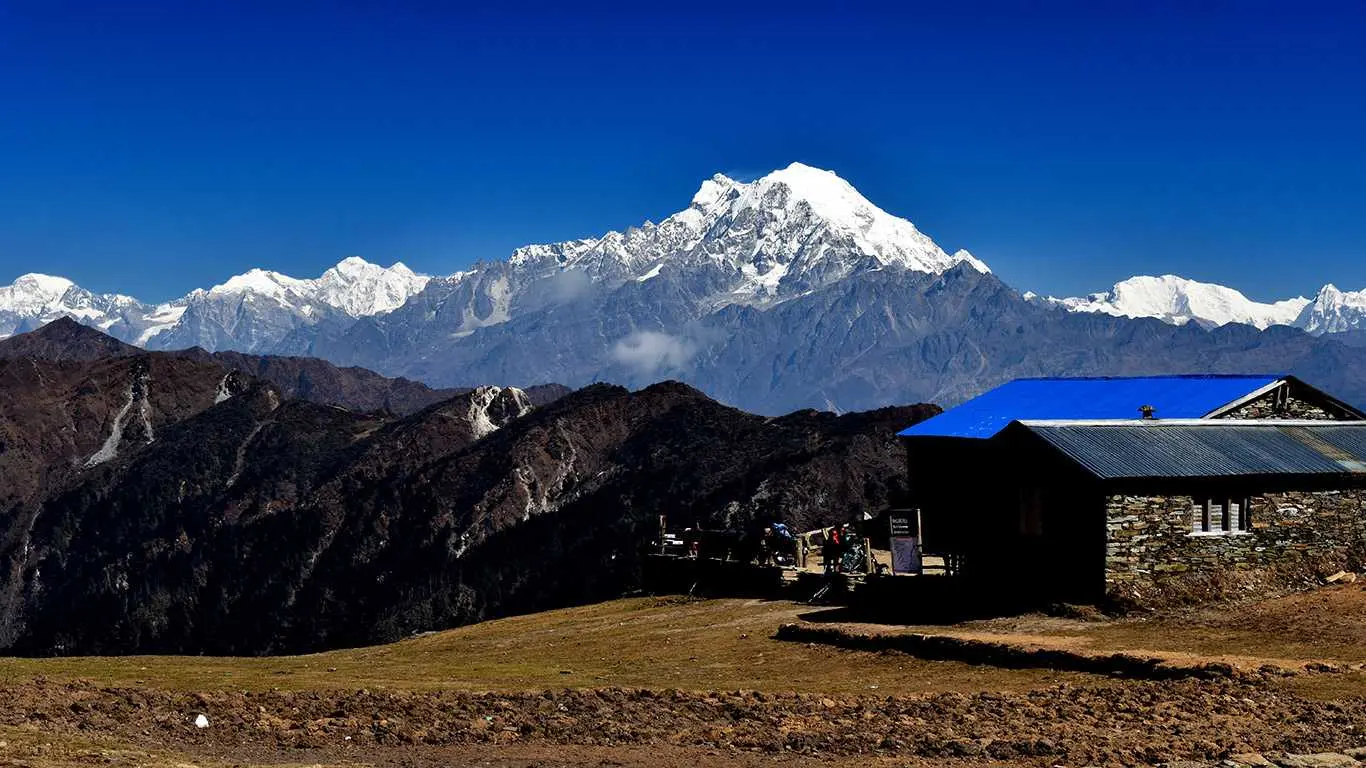
You’ll explore the beautiful Langtang Valley, visit ancient monasteries like Kyanjin Gompa, and reach the holy Gosaikunda Lake, a spiritual site surrounded by mountain peaks. Crossing Laurebina La Pass (4,610m) is a challenging highlight, rewarding you with sweeping views of Langtang Lirung, Ganesh Himal, and Manaslu.
Rich Tamang and Sherpa traditions, varied landscapes, and encounters with Himalayan wildlife make this trek one of Nepal’s most rewarding off-the-beaten-path adventures.
Langtang Valley: Lush forests, yak herders, and glacier-fed rivers
Gosaikunda Lake: Sacred high-altitude lake revered by Hindus and Buddhists
Panoramic Peaks: Langtang Lirung, Ganesh Himal, Manaslu, and more
Kyanjin Gompa: Historic monastery with stunning mountain backdrops
Laurebina La Pass (4,610m): A thrilling high-altitude crossing
Local Culture: Insight into Tamang and Sherpa traditions
Wildlife: Possible sightings of red pandas and Himalayan wildlife
Natural Hot Springs: A soothing break for tired trekkers
Authentic Food: Enjoy traditional Nepali and mountain cuisine
Langtang Valley Trek (10 days): A shorter trek focusing on the glacier valley
Tamang Heritage Trek (14 days): Dive deep into indigenous culture
Helambu Trek (9 days): A peaceful trail through Sherpa villages
Join the 16-day Langtang and Gosaikunda Trek for sacred lakes, mountain views, and cultural immersion in Nepal’s serene Himalayan landscapes. Book now!
Upon arriving at Tribhuvan International Airport, you will be warmly welcomed by our Save Mountain Treks & Expedition staff who will assist you with your transfer to the hotel. After settling in, a brief meeting will be held to introduce you to the trek details. The rest of the day is yours to relax, explore the vibrant markets of Thamel, or enjoy the local ambiance at your leisure.
Your adventure begins with a scenic drive to Syabru Bensi. The 7-8 hour journey takes you north from Kathmandu, offering panoramic views of the Ganesh Himal and lush terraced fields along the Trisuli River. As you traverse through charming foothills and deep valleys, you will reach Syabru Bensi, where you will spend the night in a guesthouse.
On the third day, the trek starts with a gentle ascent from Syabru Bensi to Lama Hotel. You will follow the Bhote Koshi River and pass through Bamboo, gradually ascending through forested terrain. The route takes you along the Langtang Khola and brings you to the Lama Hotel, where you will stay overnight.
Today’s trek leads you from Lama Hotel to Mundu. The trail takes you through Gumanechok and Ghoda Tabela, which translates to “Horse Stable.” As you climb, the landscape opens up with views of the surrounding peaks, culminating in your arrival at Mundu, a small settlement with stunning vistas.
The journey continues with a trek to Kyanjin Gompa. The path meanders through picturesque landscapes, crossing suspension bridges over the Laja Khola River and ascending towards Kyanjin Gompa. Surrounded by towering peaks like Langtang Lirung, you will be captivated by the scenic beauty as you reach this serene village.
This day is dedicated to acclimatization and exploration. You can visit the local cheese factory, hike the moraine trail, or challenge yourself with a climb to Chorkari Ri. Standing at 5050 meters, Chorkari Ri offers breathtaking panoramic views of the Langtang peak and the surrounding Himalayan range.
After your time at Kyanjin Gompa, you will descend back to Lama Hotel. The trek provides magnificent views of the towering mountains as you retrace your steps through the rugged terrain, making your way back to the familiar guesthouse in Lama Hotel.
The next leg of the trek takes you from Lama Hotel to Thulo Syabru. The trail descends through lush forested areas, crosses a canal, and then ascends to Thulo Syabru. This village offers splendid views of Langtang Himal and its surrounding peaks, with a scenic journey through pine and juniper forests.
From Thulo Syabru, you will trek to Shin Gompa, following a path that ascends through rhododendron, hemlock, and oak woods. As you pass through Dimsa village and continue on, you will enjoy picturesque views of Langtang Himal and Langtang Valley. Shin Gompa is also known for its cheese production.
The trek from Shin Gompa to Gosaikunda involves a steady climb up to Laurebinayak, followed by a steep ascent to Gosaikunda. As you traverse rocky paths, you will be treated to stunning vistas of the Ganesh Himal, Manaslu range, Langtang Lirung, and even the Annapurna range on clear days. The holy lake of Gosaikunda, surrounded by peaks, is a significant highlight of this segment.
On this day, you will cross the Laurebinayak La pass at 4610 meters, the highest point of the trek. The rugged terrain and the four small lakes along the way offer breathtaking views of the Manaslu and Ganesh Himal ranges. After reaching the pass, you will descend to Ghopte, where you will set up camp for the night.
The trek from Ghopte to Melamchigaon involves descending through forests and crossing a dry riverbed. You will navigate through a rhododendron forest, climb a ridge above Tharepati village for spectacular views, and then descend to the Melamchi River before ascending to Melamchigaon.
As you continue your journey, you will walk from Melamchigaon to Tarkeghyang in the Helambu region. This part of the trek introduces you to Sherpa culture and traditional villages, with stone houses and narrow alleyways providing a glimpse into local life.
The trail from Tarkeghyang to Sermathang takes you through a charming forest and valley, leading you to the picturesque Sherpa village of Gangyul. The area is known for its Drukpa Kagyu Buddhism, similar to Bhutan’s national religion, and offers a serene and scenic environment.
On the penultimate day, you will descend to Melamchi Pul Bazaar and catch a vehicle back to Kathmandu. This marks the end of your trek, and you will have time to relax and reflect on your journey before departing.
On your final day, a representative from Save Mountain Treks & Expedition will drive you to the airport in time for your departure flight. After a memorable trek, you’ll head home with cherished experiences and lasting memories.


The trek is considered moderate to challenging due to the altitude and terrain. Previous trekking experience and good physical fitness are recommended.
Yes, you will need a Langtang National Park entry permit and a Trekkers’ Information Management System (TIMS) card, which can be obtained in Kathmandu.
Respect local customs, such as asking permission before taking photos of people, and be mindful when entering homes or religious sites.
Yes, travel insurance is highly recommended. Ensure it covers trekking at high altitudes and emergency evacuation.
Many tea houses have charging facilities, but there may be a fee for using them. It’s wise to carry a power bank as backup.
Booking Form