Max Elevation
5050m and 4700m

Group Size
Min.1 Pax

Duration
10 Days

Difficulty
Easy-Moderate

Accomodations
Hotels/Lodges

Meals
L.D.B

Best Seasons
March-May & Sept-Nov

Transportation
Vehicles and Bus

Region
Langtang Region
The 10 Days Trekking to Langtang Valley is a captivating adventure that blends natural beauty, rich wildlife, and vibrant cultural experiences. Known for its inspiring resilience after the 2015 earthquake, this trek invites travelers to explore one of Nepal’s most beautiful valleys. Although often overshadowed by the Everest Base Camp and Annapurna Circuit, the Langtang Valley Trek holds its own as the third most popular trekking route in Nepal, offering a unique story at every step.
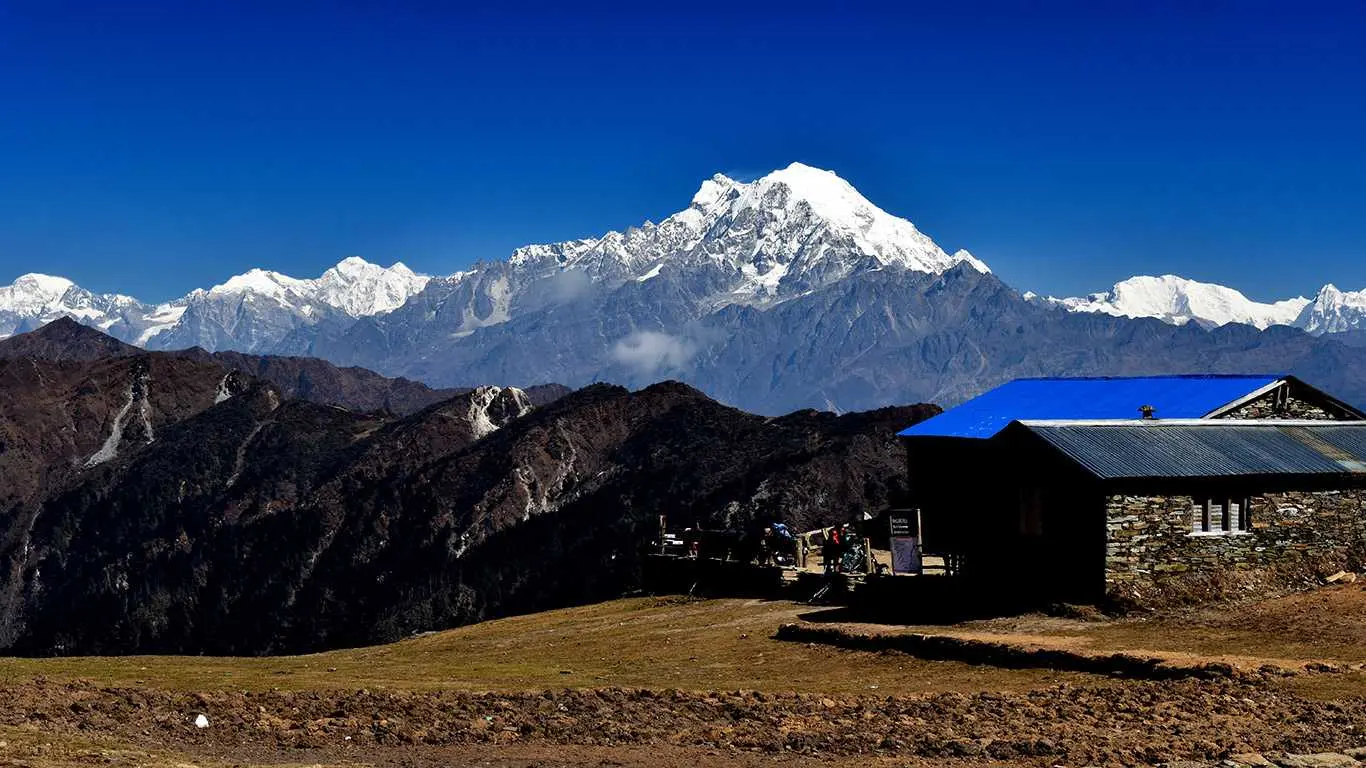
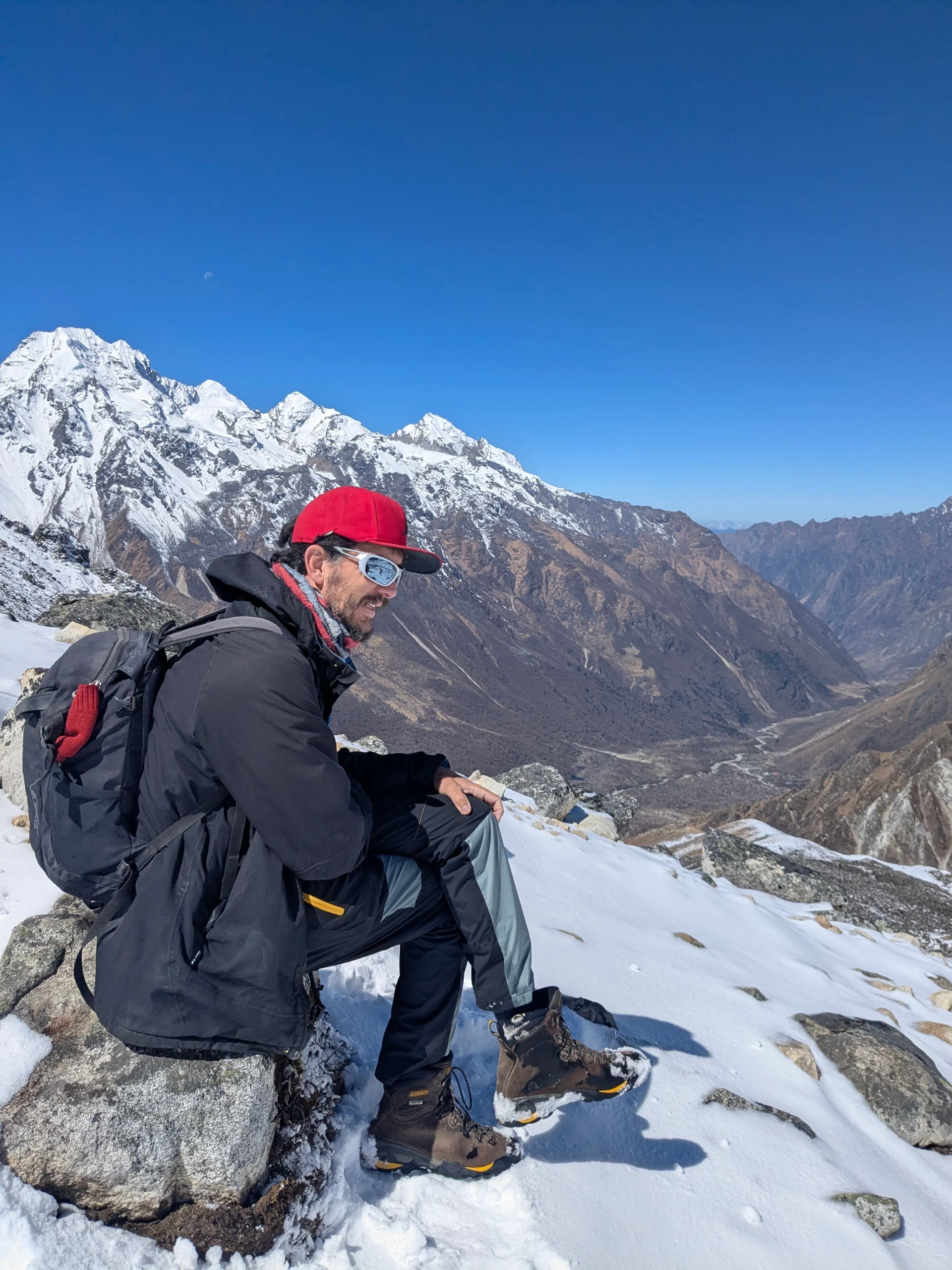
Situated within Langtang National Park, Nepal’s first Himalayan national park established in 1976, this trek offers an extraordinary opportunity to witness stunning wildlife and breathtaking views of majestic peaks such as Langtang Lirung (7227m), Dorje Lakpa (6996m), and Ganja La (5845m). Along the way, you’ll traverse trails frequented by yaks and wildlife like the Red Panda and Musk Deer while walking through the serene forests of fir, oak, and rhododendron.
Beyond the scenic splendor, the trek immerses you in the unique culture of the Tamang people. Experience the spiritual essence of the region as you pass ancient Mani walls, chortens, and visit the sacred Kyanjin Gompa. For a true high-altitude adventure, take the exhilarating hikes to Tsergo Ri (5050m) or Kyanjin Ri (4400m), where the panoramic mountain vistas will leave you in awe.
The best seasons for the Langtang Valley Trek are autumn (September to November) and spring (March to May). During autumn, you’ll experience clear skies, vibrant landscapes, and comfortable temperatures. Spring, on the other hand, brings blooming rhododendrons and lush greenery, making the trails even more picturesque.
While the trek can be undertaken year-round, trekking during winter (December to February) or the summer monsoon (June to August) is more challenging due to extreme cold, heavy snowfall, or rainfall.
At an altitude of 3830m, Kyanjin Gompa is a spiritual sanctuary that represents the heart of the Langtang Valley. This Buddhist monastery is not just a place of worship but also a cultural hub for the Tamang, Sherpa, and Tibetan communities. Surrounded by snow-capped peaks and adorned with prayer flags, it offers visitors a peaceful and reflective experience.
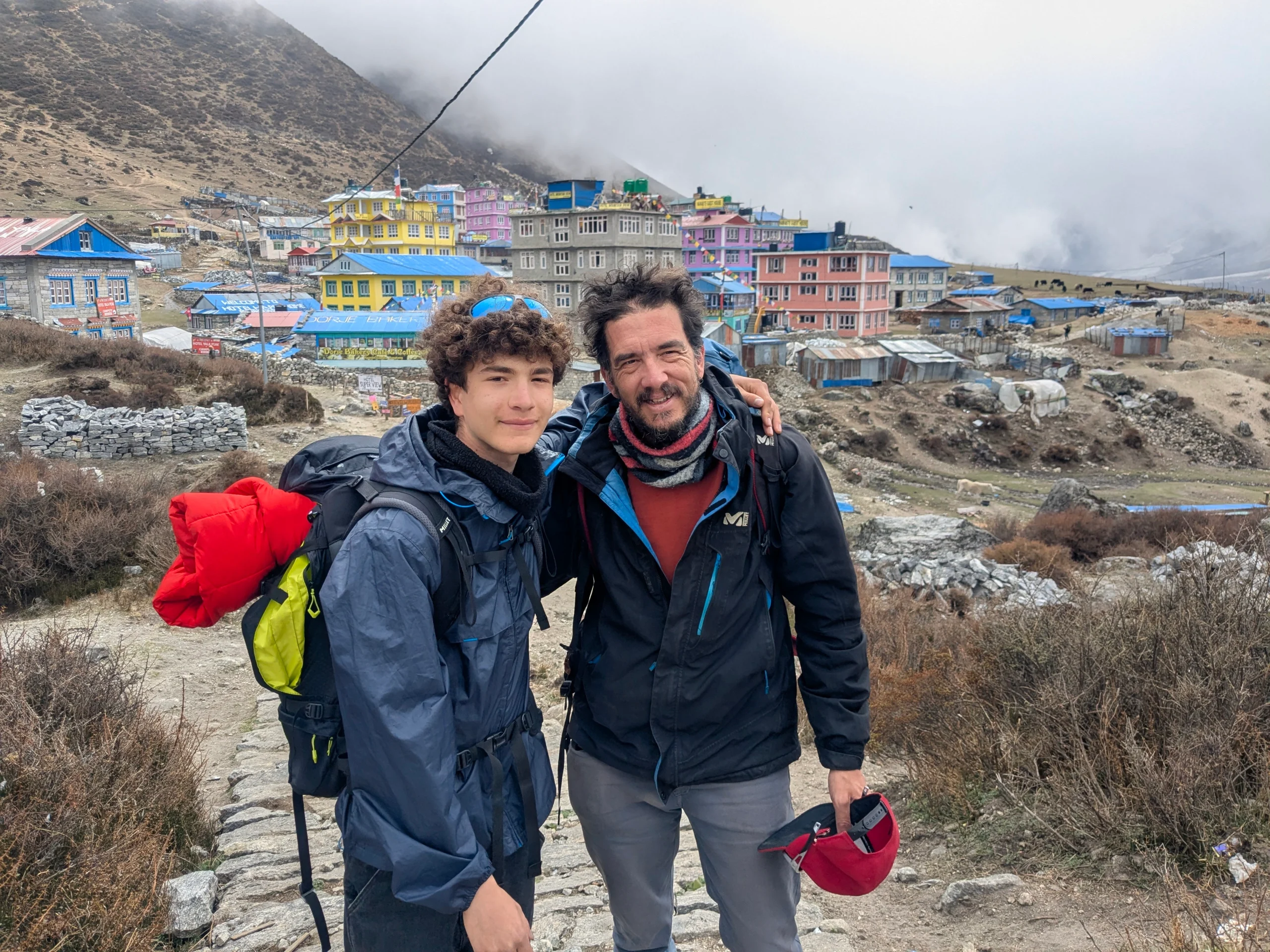
The 2015 earthquake devastated much of the original Langtang village, but the resilience of its people is evident in its rebirth. The village, now located at 3430m, stands as a testament to the strength and determination of the Langtang community, offering visitors a chance to learn from their courage and witness the village’s incredible transformation.
For those seeking different experiences, the Langtang region offers several alternative trekking routes:
Whether you’re drawn to the natural beauty, cultural depth, or spiritual tranquility of Langtang Valley, this trek offers an unforgettable experience. The valley’s landscapes, wildlife, and resilient people will inspire and rejuvenate your spirit. Choose the Langtang Valley Trek and discover the hidden stories of this extraordinary region with Save mountain treks.
Join our 10-day trek and experience breathtaking views, traditional villages, and the peacefulness of one of Nepal’s most scenic trails.
Upon arrival at Tribhuvan International Airport in Kathmandu, you’ll be welcomed by Save Mountain Treks & Expedition representative and transferred to your hotel. This day is reserved for rest and acclimatization after your journey. Kathmandu, the vibrant capital of Nepal, offers a fascinating mix of ancient temples, bustling markets, and rich cultural heritage. You can spend your time exploring the local area, preparing for the trek ahead, or simply relaxing and getting accustomed to the new time zone and altitude.
In the evening, you’ll have a briefing session where your guide will provide an overview of the trek, including the route, safety protocols, and what to expect in the coming days. This is also a great opportunity to ask any questions
You’ll embark on a scenic drive from Kathmandu to Syabrubesi, a small town that serves as the gateway to the Langtang Valley. The drive, which takes approximately 7-8 hours, covers a distance of 130 km and offers stunning views of the countryside and the Ganesh Himal range. As you travel, you’ll pass through picturesque villages, terraced fields, and winding roads that offer glimpses of rural Nepali life.
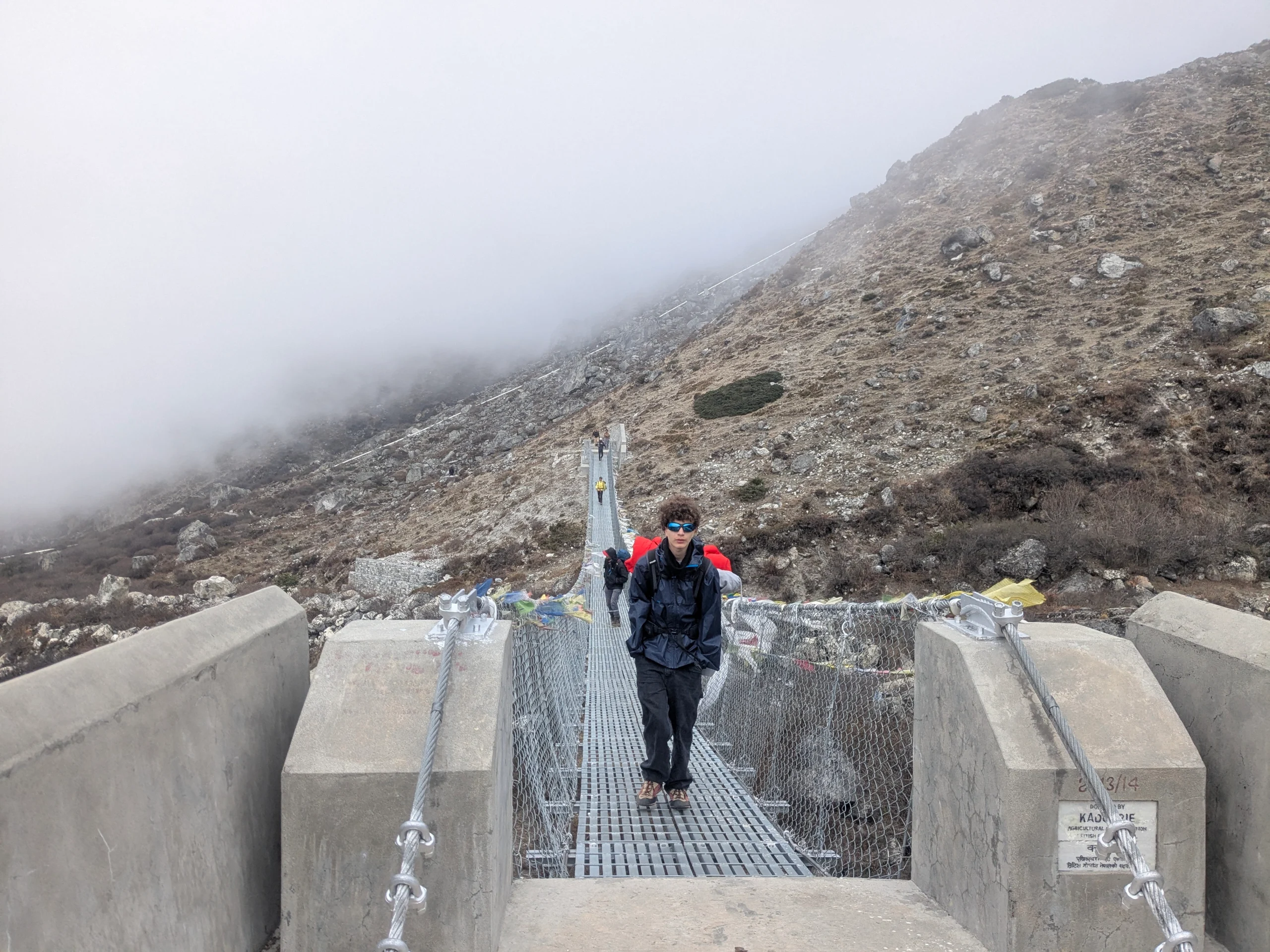
Day 3 involves a trek from Syabrubesi to Lama Hotel, passing through Bamboo. This trek covers a distance of 11-12 km and takes about 6 hours. As you ascend, the landscape transforms from lush forests to more rugged terrain, and you’ll be treated to the sounds of the Langtang River and the vibrant flora of the region. The trek offers a chance to witness the changing scenery and the gradual approach to higher altitudes.
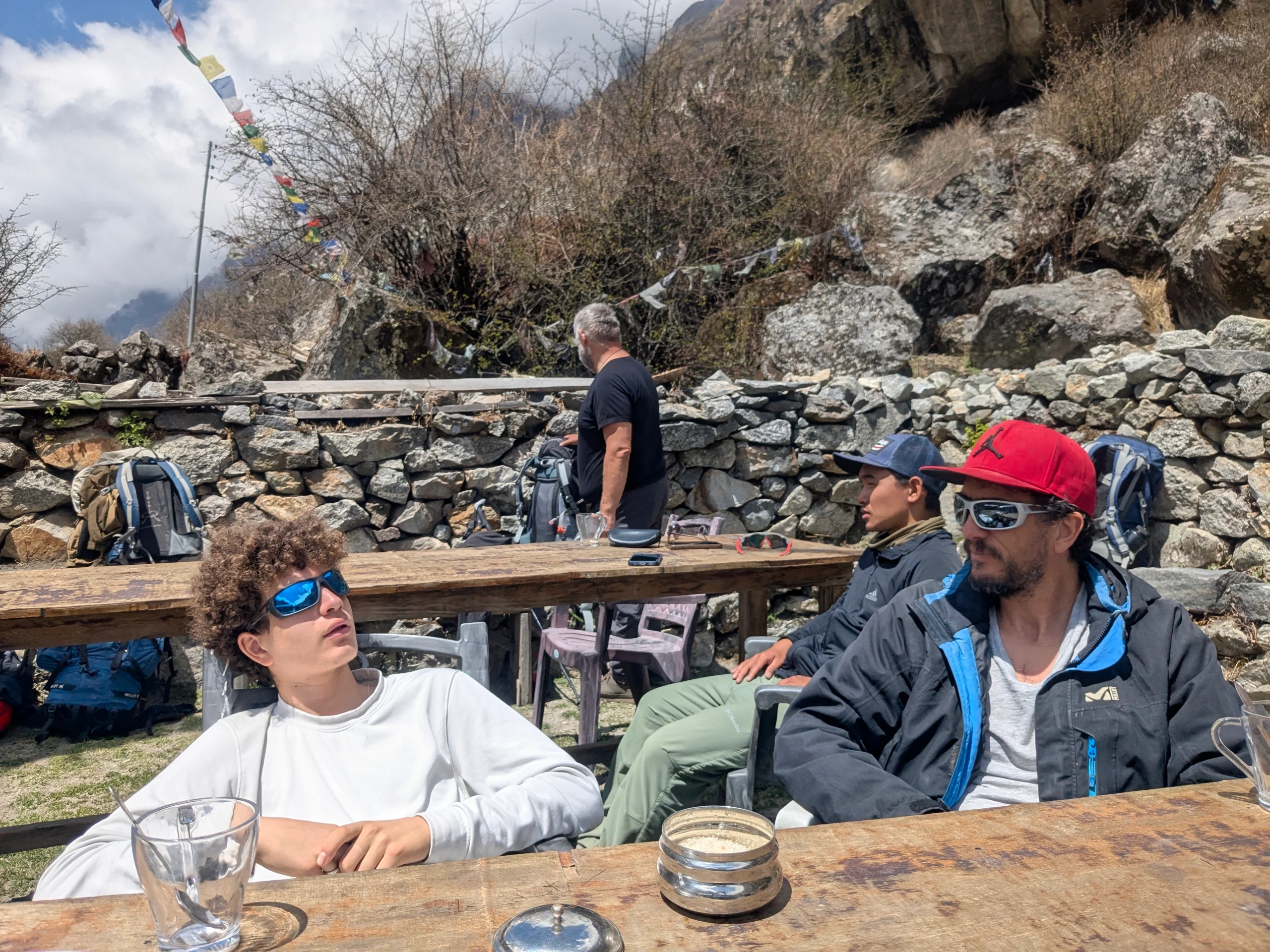
Lama Hotel is a well-known stop along the Langtang trail, providing a comfortable place to rest. The area is named for the local Lama who used to reside here, and it offers basic lodging and dining facilities. The evening is an ideal time to relax, enjoy a warm meal, and prepare for the next day’s trek.
On Day 4, you’ll hike from Lama Hotel to Mundu, passing through Langtang Village. This trek covers a distance of 7-8 km and takes around 6 hours. The route takes you through terraced fields and traditional villages, with Langtang Village being a notable highlight. As you trek, you’ll witness the resilience of the local communities and enjoy views of the surrounding peaks.
Mundu, at an altitude of 3,543 meters, is a beautiful village with stunning views of the Langtang Valley. This is where you will stay for the night, and the evening offers an opportunity to explore the village, interact with locals, and enjoy the peaceful atmosphere of this high-altitude settlement.
Day 5 involves a trek from Mundu to Kyanjin Gompa, located at 3,830 meters. This section of the trek covers 6-7 km and takes 3-4 hours. As you ascend, you’ll notice the changing landscape, with increasingly dramatic views of the surrounding peaks. Kyanjin Gompa is a significant cultural and spiritual site, known for its ancient monastery and stunning panoramic views.
Once you reach Kyanjin Gompa, you’ll have the rest of the day to explore the area. The Gompa is surrounded by majestic peaks and offers a serene environment for reflection and acclimatization. This is a great place to relax and enjoy the breathtaking scenery, preparing for the challenging hike to higher altitudes the following day.
Day 6 is dedicated to a hike to either Tsergo Ri or Kyanjin Ri, both of which offer spectacular panoramic views of the Langtang region. The trek to Tsergo Ri (5,050 meters) or Kyanjin Ri (4,400 meters) is a challenging yet rewarding experience, covering a distance of 14 km and taking 6-7 hours. The ascent offers breathtaking views of the Langtang range and other surrounding peaks.
After reaching the summit, you’ll return to Kyanjin Gompa, where you can rest and enjoy the serene high-altitude environment. The day is an opportunity to take in the majestic landscapes and appreciate the natural beauty of the Langtang Valley before retracing your steps back to your lodge for a well-deserved rest.
On Day 7, you’ll retrace your steps from Kyanjin Gompa to Lama Hotel. This return trek covers 14-15 km and takes about 5-6 hours. The journey back provides a chance to reflect on the incredible experiences of the previous days while enjoying the familiar scenery from a different perspective.
Upon reaching Lama Hotel, you’ll have the evening to relax and recuperate from the trek. This is a good time to review your adventure, share stories with fellow trekkers, and prepare for the final leg of the journey back to Syabrubesi.
Day 8 involves descending from Lama Hotel back to Syabrubesi. This trek covers 11-12 km and takes approximately 5 hours. The descent offers a different view of the landscape, with a focus on the lush greenery and the tranquil riverbanks. The trek back provides a reflective end to the high-altitude trekking experience.
Upon arrival in Syabrubesi, you’ll have time to rest and relax, enjoying the last night in the village. This is an opportunity to appreciate the comfort of the lower altitudes and prepare for the journey back to Kathmandu the following day.
On Day 9, you’ll drive from Syabrubesi back to Kathmandu. This drive takes approximately 7 hours and covers a distance of 130 km. The journey back to the capital offers a final opportunity to enjoy the scenic views of the Nepali countryside and reflect on the trekking experience.
Upon arrival in Kathmandu, you can check into your hotel and spend the evening at leisure. This is a time to relax, explore the city, and perhaps do some last-minute shopping or sightseeing before the trip concludes.
On the final day, you’ll be transferred from your hotel to Tribhuvan International Airport for your departure. This is the end of your Langtang Valley adventure, and you’ll bid farewell to Nepal with memories of the stunning landscapes, cultural experiences, and the rewarding trek. Your journey ends as you board your flight, taking with you the unique experiences and stories from the Langtang Valley.
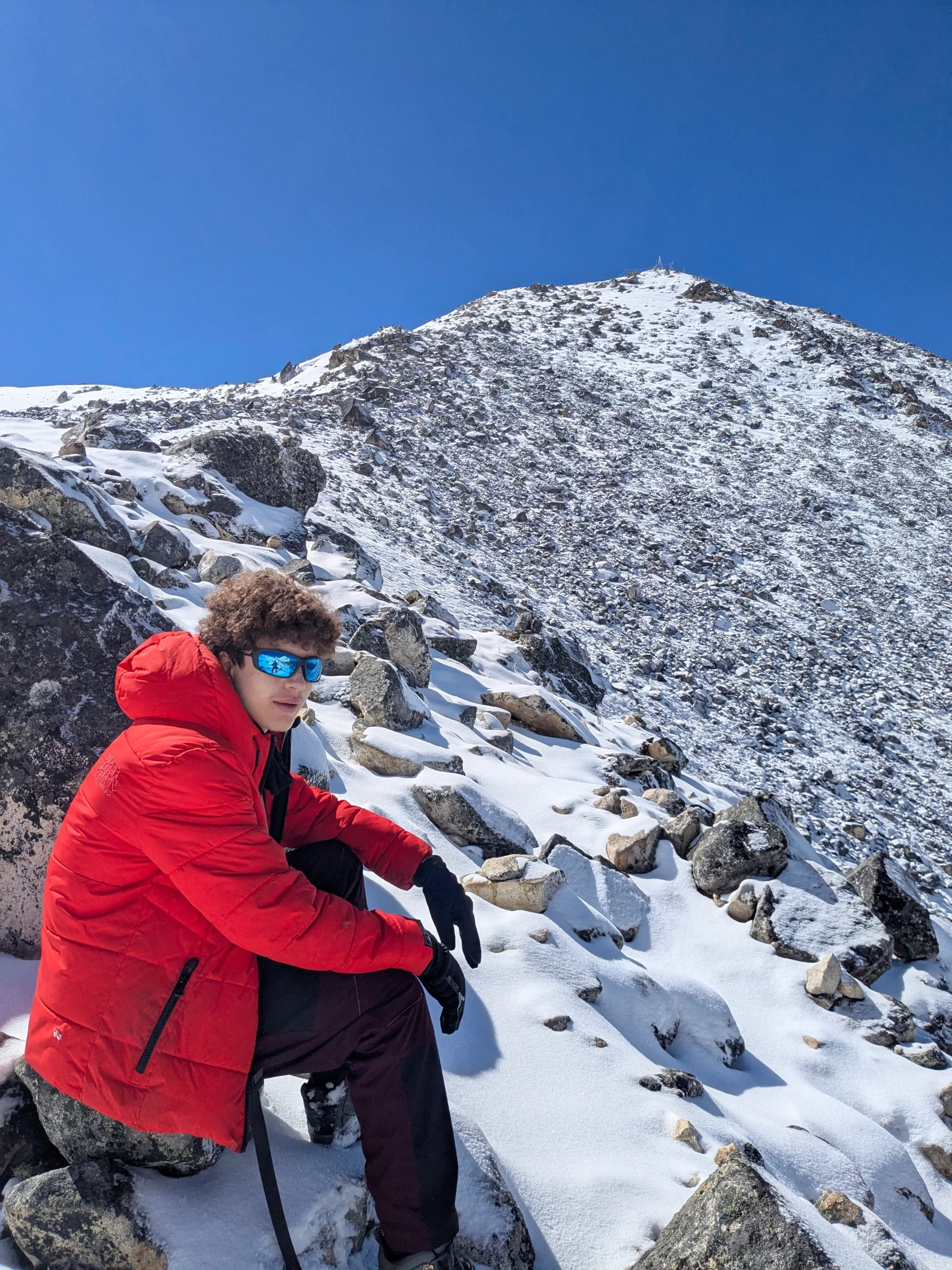
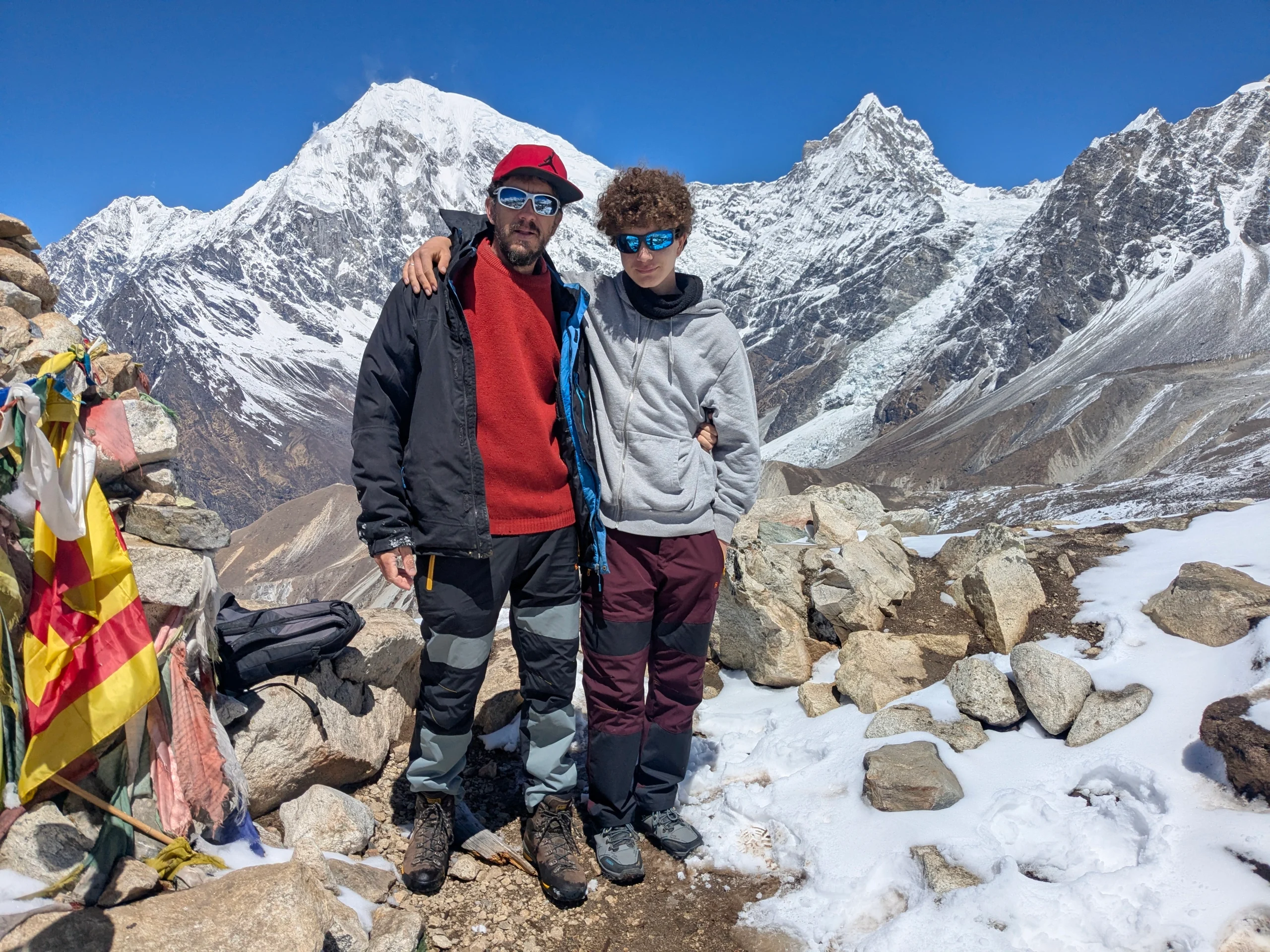
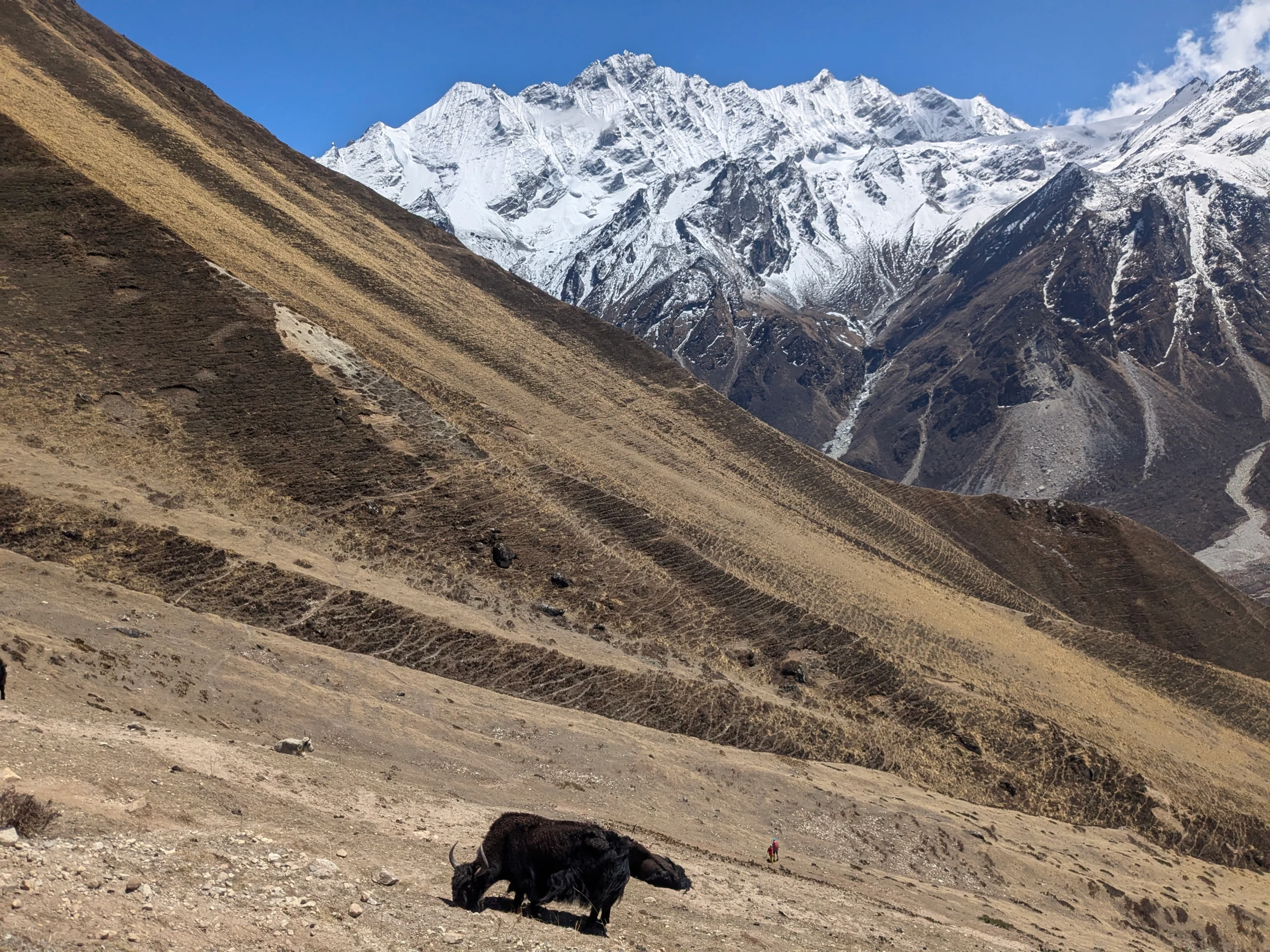
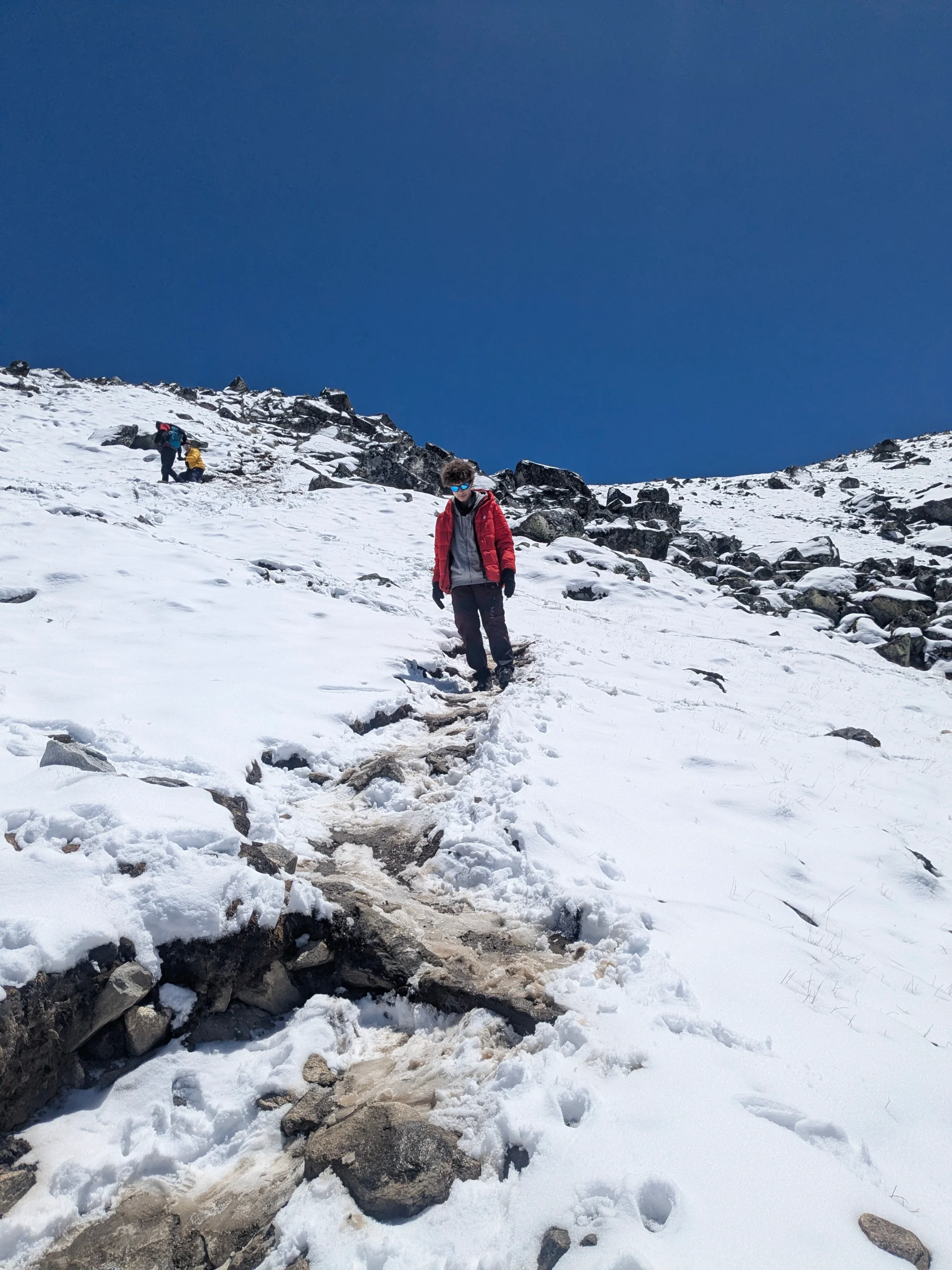
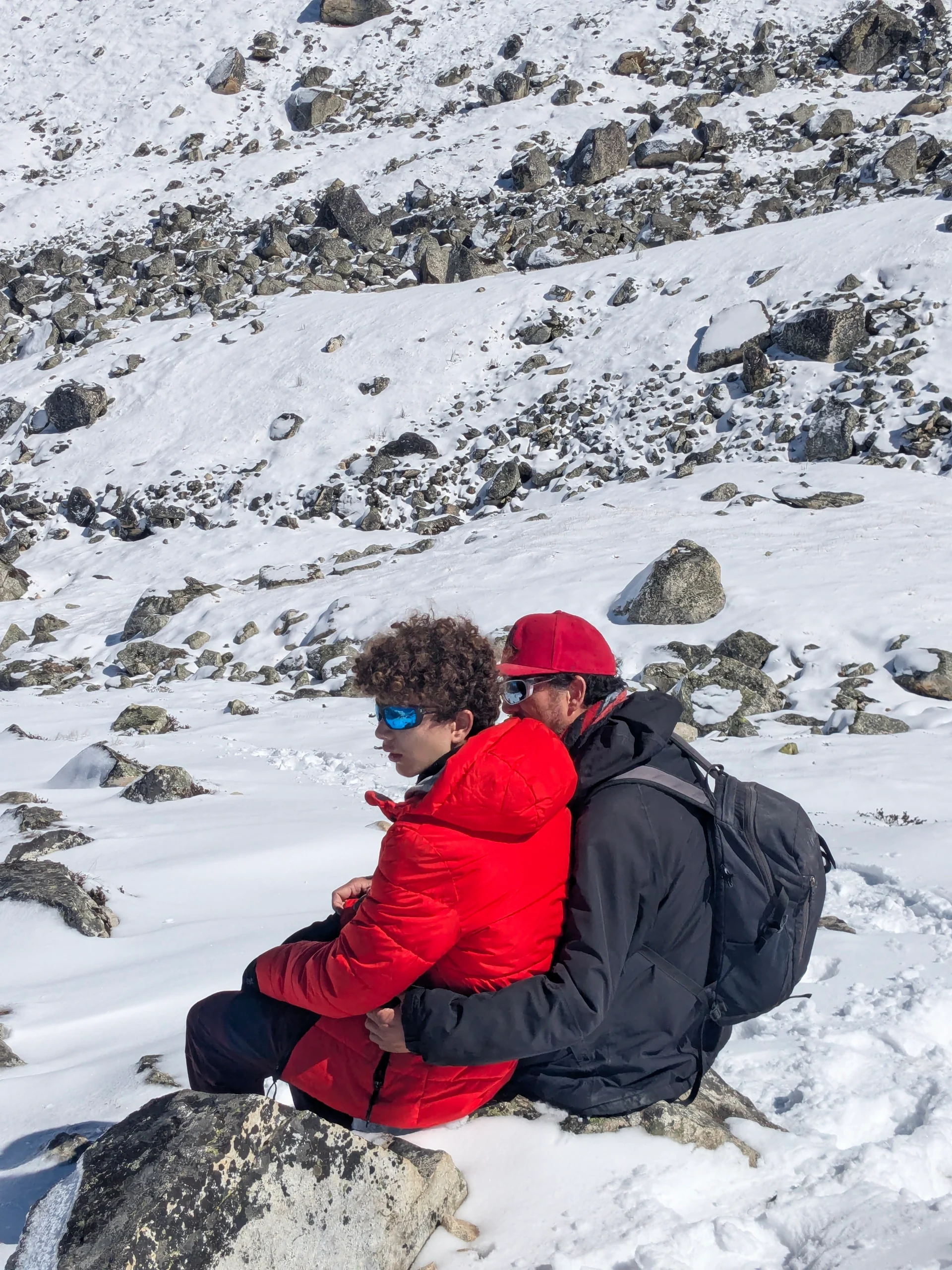
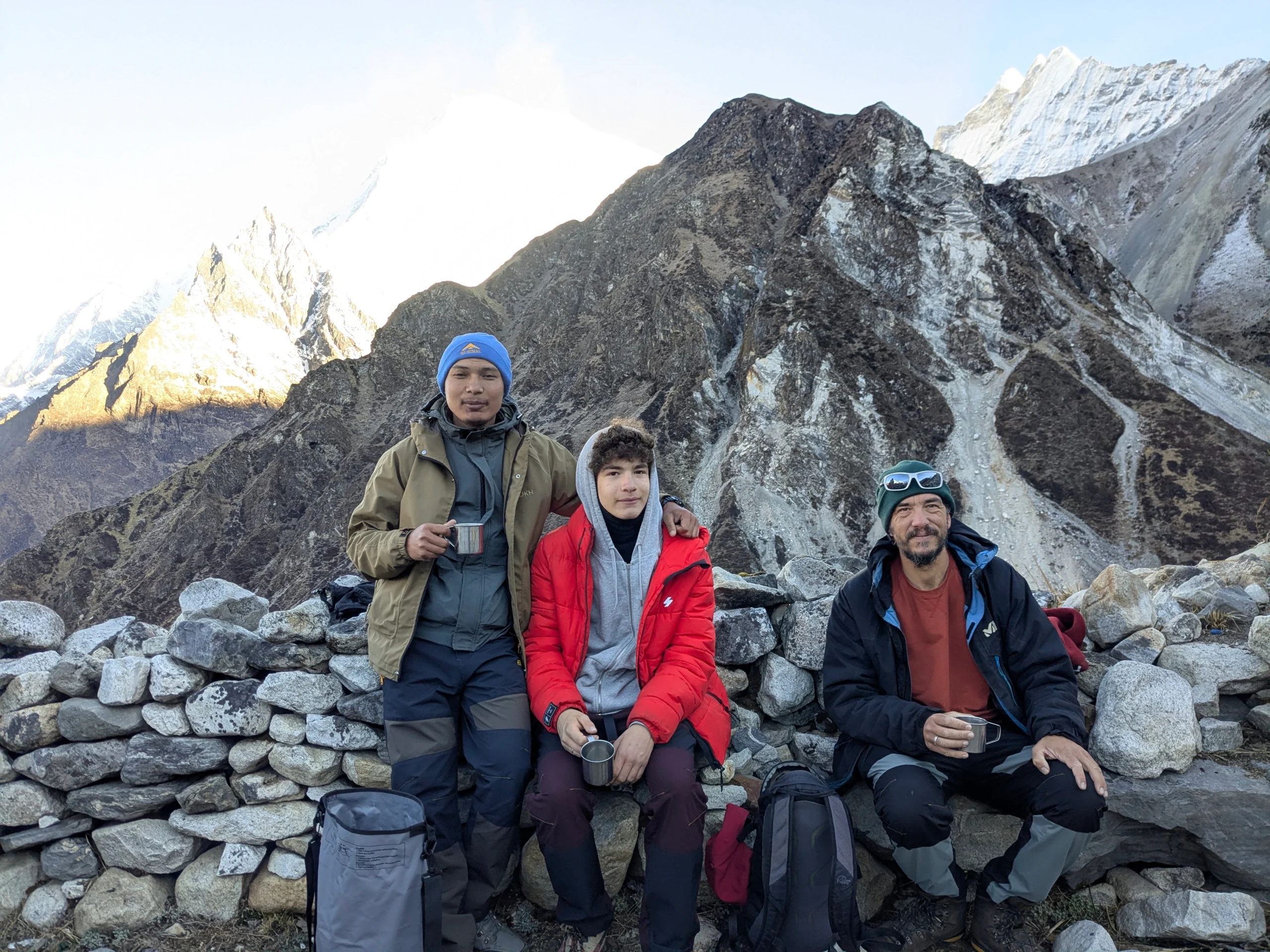
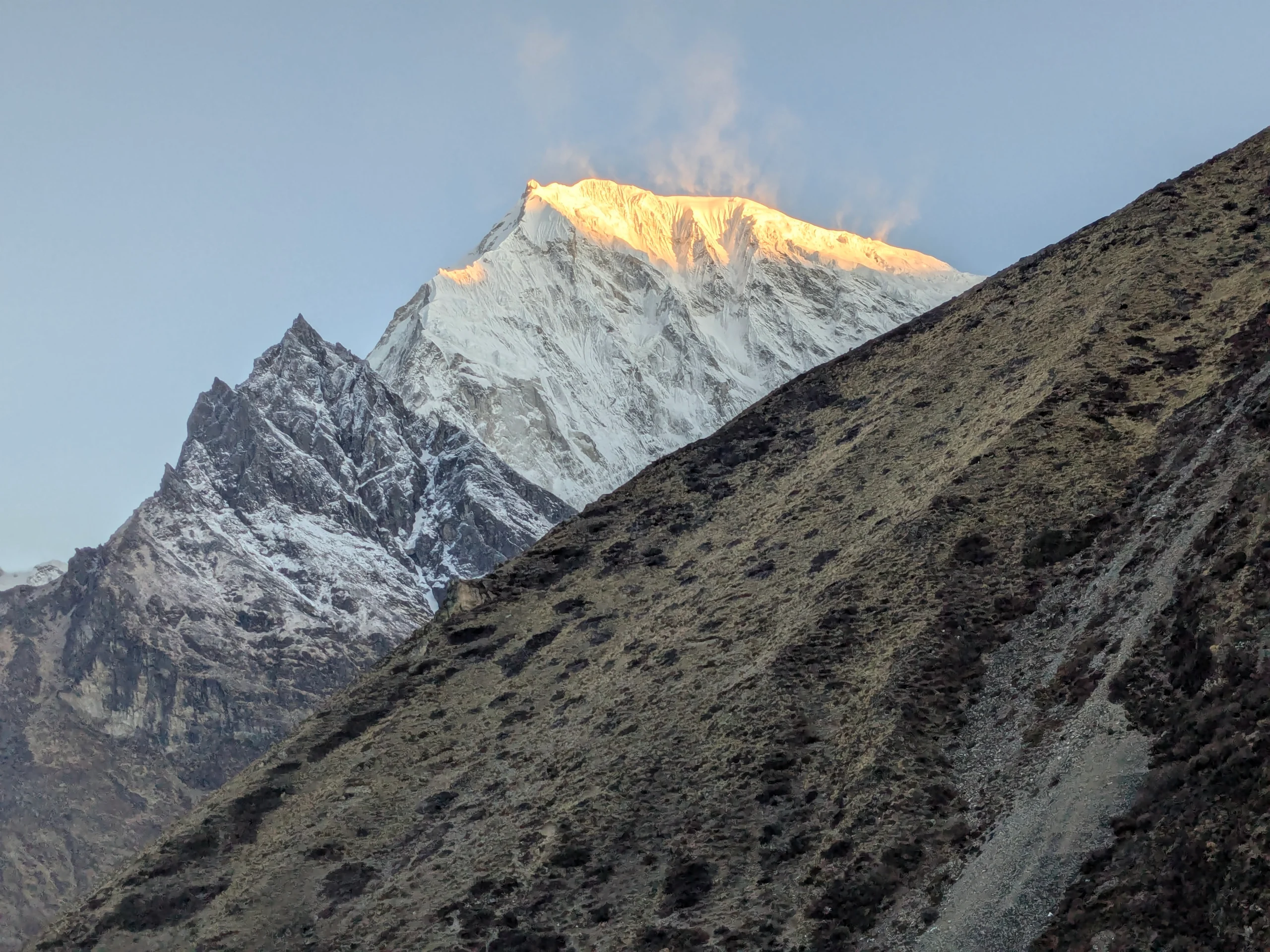
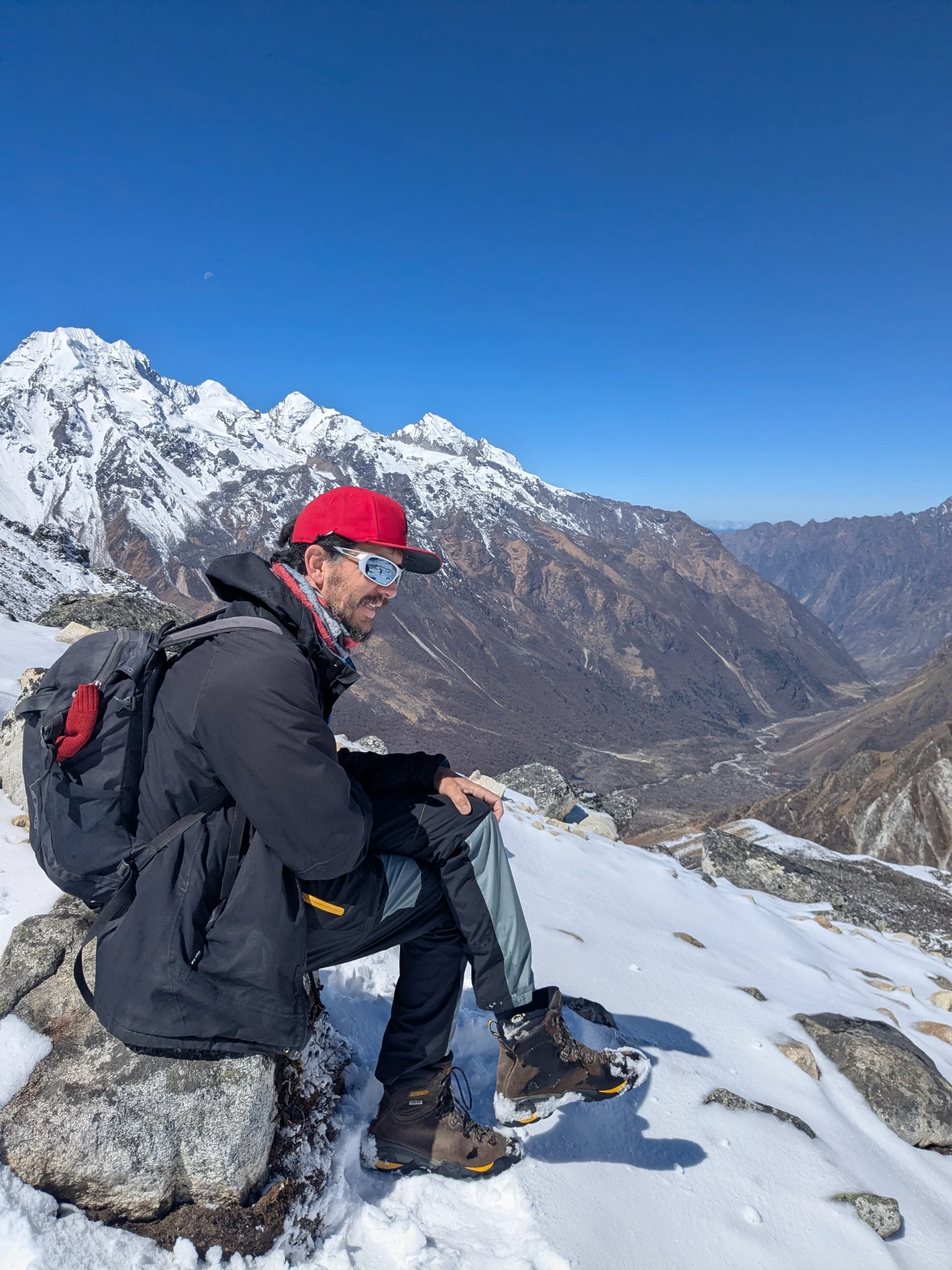
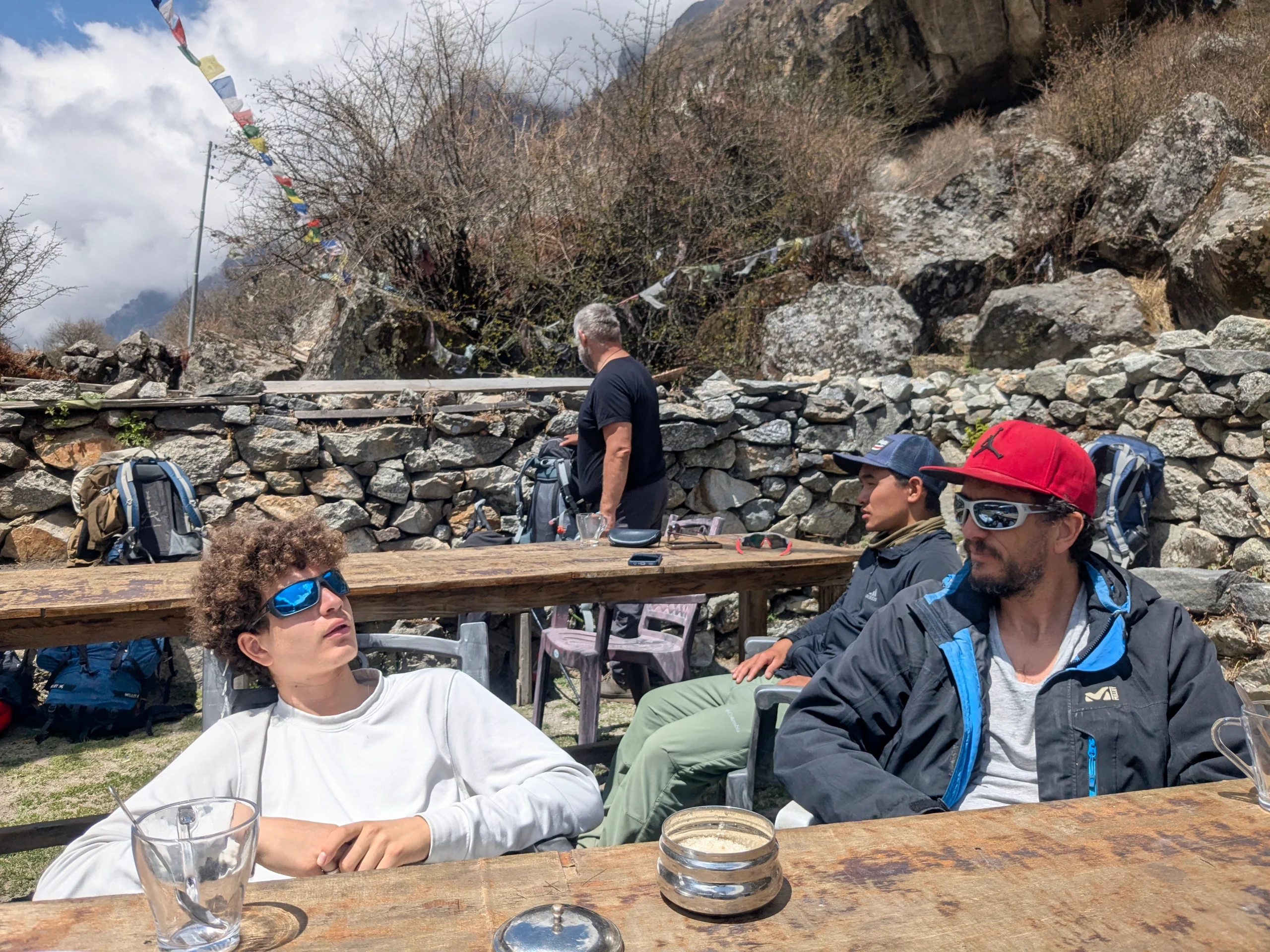
The Langtang Valley is located in the Rasuwa District of Nepal, bordering Tibet to the north. It lies within Langtang National Park, about 51 km (32 miles) north of Kathmandu.
The Langtang Valley Trek is considered a moderate trek. It is suitable for trekkers with a decent level of fitness, as it involves walking 5-7 hours a day, including uphill and downhill sections. While it’s not as challenging as the Everest Base Camp trek, altitude gain and rugged terrain can make it moderately strenuous.
The highest point of the trek is the optional Tsergo Ri (5050m) hike or Kyanjin Ri (4700m). However, most trekkers stay overnight at Kyanjin Gompa (3915m).
Yes, altitude sickness can be a concern as the trek rises above 3,500m. It is crucial to ascend gradually, stay hydrated, and acclimatize properly. Pay attention to any symptoms of altitude sickness (headache, nausea, dizziness), and inform your guide immediately if you feel unwell.
The Langtang Valley Trek is generally safe, but like all trekking in high altitudes, there are risks such as altitude sickness and weather-related challenges. Trekking with a guide ensures better safety. Also, after the 2015 earthquake, the trekking routes have been restored, and it is safe to trek in the region again.
The trek offers deep cultural immersion with the Tamang and Tibetan communities. You’ll see ancient Buddhist monuments like chortens, Mani walls, and Kyanjin Gompa, a sacred monastery where locals perform daily rituals. The trek also highlights the resilient spirit of the Langtang people, especially after the 2015 earthquake.
Booking Form