Max Elevation
5550m

Group Size
Min.1 Pax

Duration
16 Days

Trip Difficulty
Moderate-Difficult

Accomodation
Hotels/Lodges

Meals
B.L.D

Best Seasons
March-May & Sept-Nov

Transportation
Car and Flight

Region
Everest Region
Experience the majestic Himalayas in comfort on our different Everest Base Camp Trek packages. The Everest Base Camp Trek is the perfect adventure for those looking to explore the majestic Himalayas in style and comfort. This trek offers an unparalleled experience, combining the thrill of trekking in the Everest region with some of the most breathtaking landscapes on Earth, including views of the towering Mount Everest, lush green valleys, and vibrant Sherpa villages, all while enjoying premium amenities.
Our carefully curated itinerary balances adventure and relaxation, providing ample time for acclimatization and sightseeing. The Base Camp trek includes stays at some of the best lodges and hotels in the region, where you can unwind in comfort after a day of trekking. The Everest Base Camp Luxury Trek is designed for trekkers who want to immerse themselves in the beauty and culture of the Everest region without compromising on comfort.
During the peak trekking seasons of spring (March to May) and autumn (September to November), flights to Lukla, the gateway to the Everest region, will depart from Manthali Airport in Ramechhap due to heavy air traffic at Tribhuvan International Airport in Kathmandu.
For more information or to customize your trekking experience, you can contact Save Mountain Treks & Expedition team. We offer a variety of trekking packages and can tailor trips to suit your preferences.
Join our 16-day Everest Base Camp Trek for stunning Himalayan views, rich Sherpa culture, and luxury lodges along the trail. Book your dream trek today!
Upon your arrival at Tribhuvan International Airport in Kathmandu, a representative from Save Mountain Treks & Expedition will greet you and escort you to a 3-star hotel in the city. You’ll have time to settle in and relax after your flight. In the evening, you’ll meet your trekking guide and have a briefing about the trek ahead. Overnight stay at the hotel.
Today is dedicated to exploring the rich cultural heritage of Kathmandu Valley. After breakfast, you’ll embark on a guided sightseeing tour of some of the most famous UNESCO World Heritage Sites, including:
After the tour, you’ll return to your hotel to finalize preparations for the trek, including checking your gear and making any last-minute purchases.
Early in the morning, you’ll be transferred to the airport for a thrilling flight to Lukla, the gateway to the Everest region. The flight offers stunning aerial views of the Himalayan mountains and takes about 30 minutes. Upon landing in Lukla, you’ll meet the rest of your trekking crew and start your trek to Phakding. The trail descends through the Dudh Koshi River valley, passing through small villages and lush forests. You’ll spend the night at a luxury lodge in Phakding.
After breakfast, you’ll continue your trek towards Namche Bazaar, the bustling hub of the Khumbu region. The trail crosses several suspension bridges over the Dudh Koshi River and passes through pine forests. You’ll enter Sagarmatha National Park at Jorsale, where you’ll register your permits. From here, it’s a challenging ascent to Namche Bazaar, but the stunning views of Everest, Lhotse, and other peaks will motivate you. Upon arrival in Namche, you’ll check into a luxurious lodge with breathtaking mountain views.
To help your body adjust to the high altitude, today is a rest and acclimatization day in Namche Bazaar. You can explore the town, visit the Sherpa Culture Museum, and hike up to the Everest View Hotel, which offers spectacular views of Everest, Ama Dablam, and other peaks. This hike also aids in acclimatization. In the afternoon, you can visit local shops and markets, or relax at your lodge.
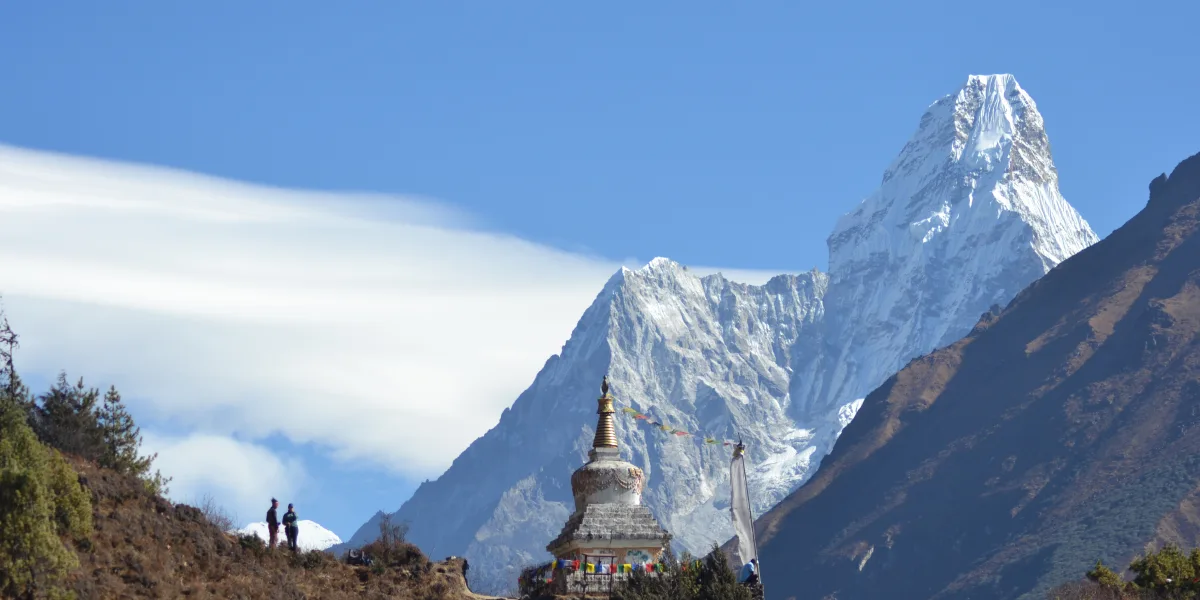
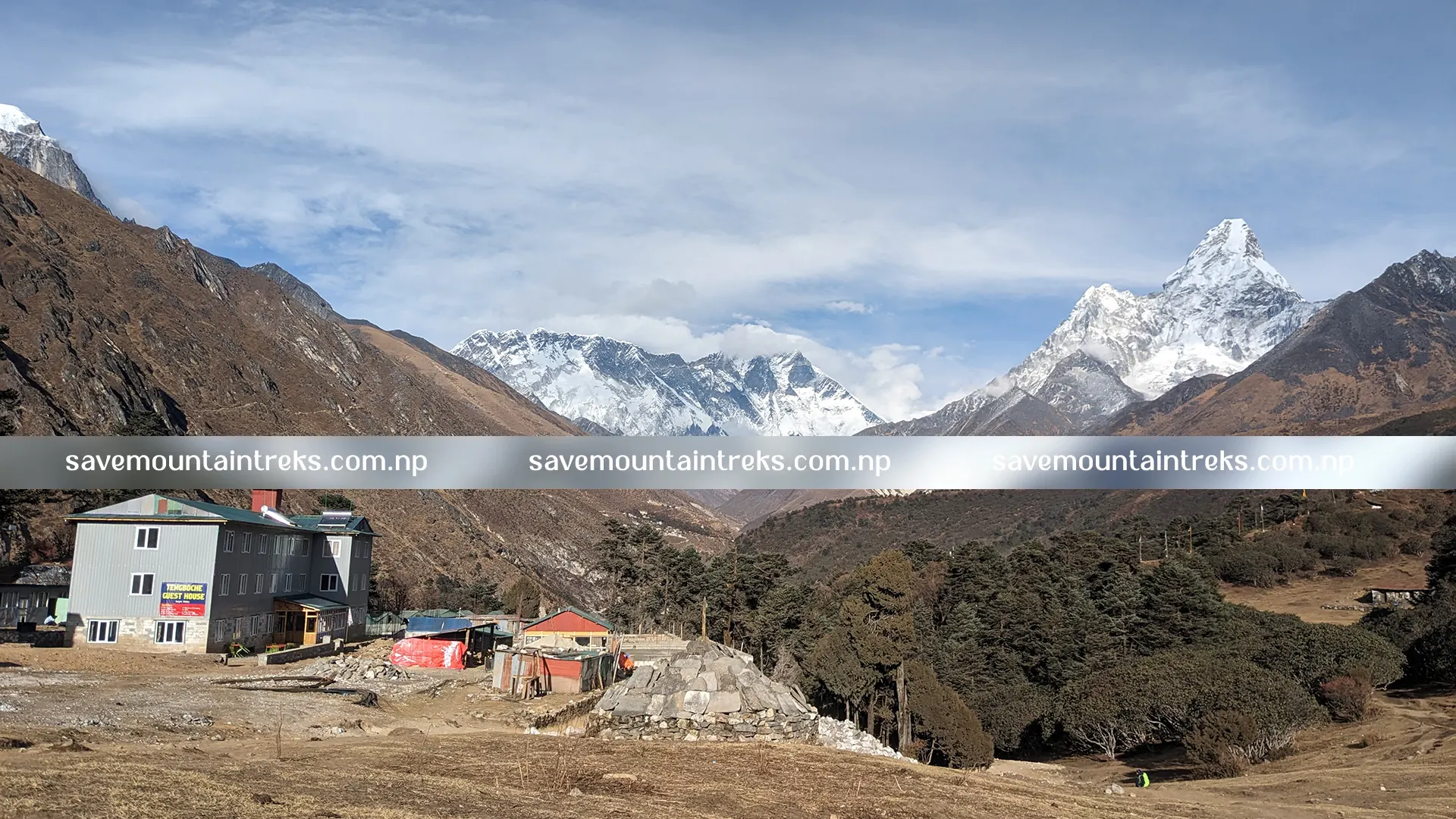
Leaving Namche Bazaar, the trail follows a relatively easy path with stunning views of the Himalayas. You’ll descend to the village of Phungki Thanka before a steep climb through dense rhododendron forests to Tengboche. The highlight of this village is the Tengboche Monastery, the largest and most important monastery in the Khumbu region. You’ll have the opportunity to explore the monastery and enjoy the panoramic views of Everest, Nuptse, Lhotse, and Ama Dablam. Overnight at a luxury lodge in Tengboche.
Today’s trek takes you through lush forests and across the Imja Khola River via a suspension bridge. The trail then ascends to Pangboche, a village with the oldest monastery in the Khumbu region, and continues to Dingboche, known as the “Summer Valley” of the Khumbu. Here, you’ll enjoy magnificent views of Lhotse, Ama Dablam, and the Island Peak. Overnight at a comfortable lodge in Dingboche.
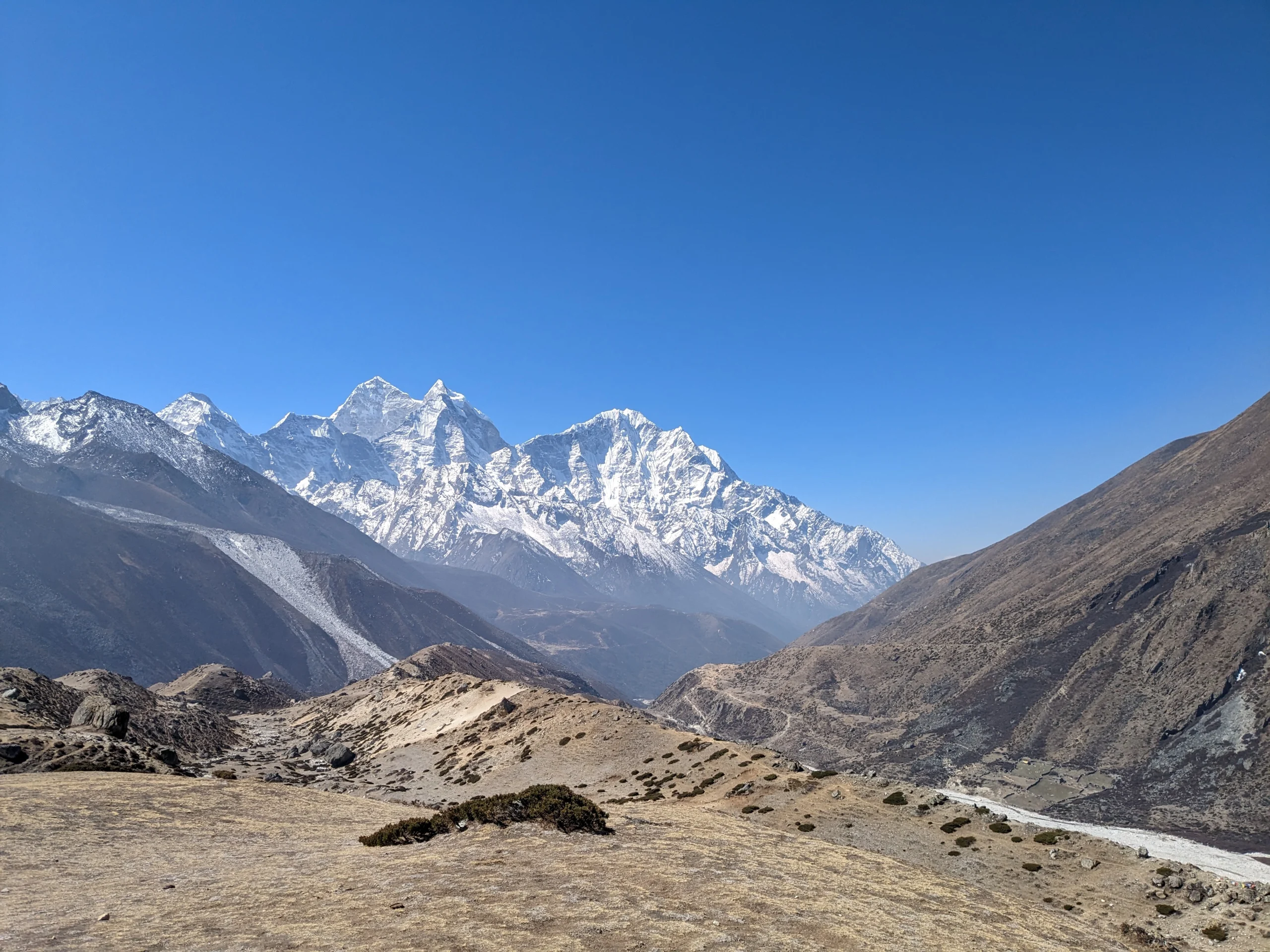
Today is another acclimatization day to help your body adjust to the higher altitude. You’ll take a short hike to Nagerjun, a viewpoint that offers stunning panoramic views of the surrounding mountains, including Makalu, Lhotse, and the valley below. This hike is quite steep and challenging, but the effort is rewarded with breathtaking scenery. You’ll return to Dingboche for lunch and spend the rest of the day relaxing or exploring the village.
After breakfast, you’ll continue your trek towards Lobuche. The trail gradually climbs up the steep terminal moraine of the Khumbu Glacier, passing by stone memorials dedicated to climbers who lost their lives on Everest. The views become more dramatic as you approach Lobuche, with Nuptse towering above and the Khumbu Glacier below. You’ll spend the night at a lodge in Lobuche.
This is the most exciting day of the trek as you make your way to Everest Base Camp. The trail follows the Khumbu Glacier and rocky terrain, with gradual ups and downs. After a few hours, you’ll reach Gorakshep, the last settlement before Everest Base Camp. After a short break, you’ll continue to Everest Base Camp, where you’ll have time to take in the incredible views of the Khumbu Icefall and surrounding peaks. After soaking in the atmosphere, you’ll return to Gorakshep for an overnight stay at a lodge.
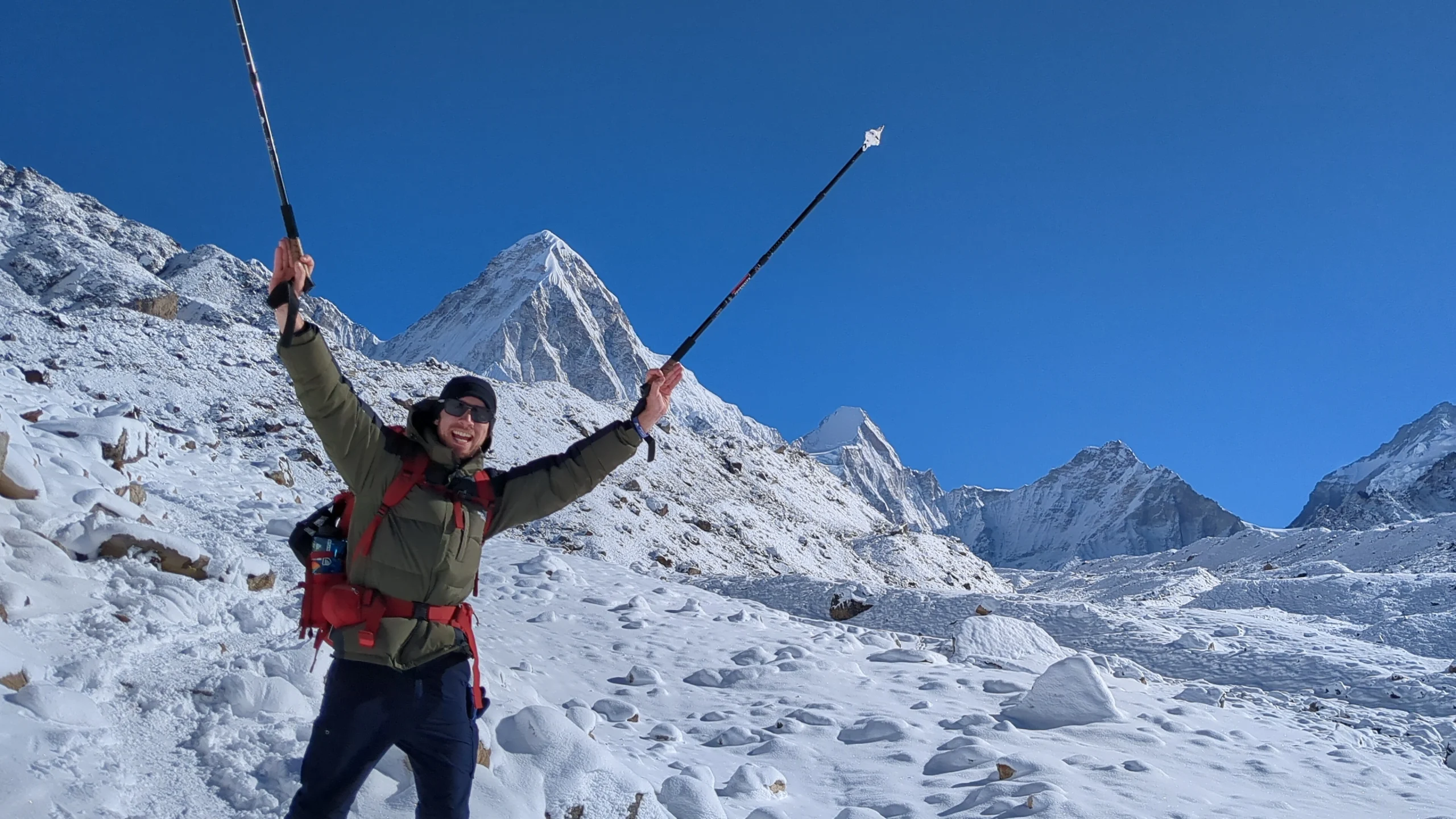
You’ll start early in the morning to hike up to Kala Patthar, the highest point of the trek. The ascent is steep and challenging, but the effort is worth it for the panoramic views of Mount Everest, Lhotse, Nuptse, and other peaks at sunrise. After enjoying the breathtaking views, you’ll descend to Gorakshep for breakfast and then continue trekking to Pheriche, a village located in the Imja Valley. Overnight at a comfortable lodge in Pheriche.
Today’s trek retraces the path back to Namche Bazaar. You’ll pass through several villages, cross suspension bridges, and enjoy the scenic views of the Himalayas. The descent is much easier than the ascent, and you’ll have more time to appreciate the beautiful landscapes and interact with locals. Upon arrival in Namche, you’ll check into your lodge and relax after a long day of trekking
The final day of trekking takes you from Namche Bazaar back to Lukla. The trail descends steeply at first, crossing several suspension bridges over the Dudh Koshi River. As you make your way back to Lukla, you’ll pass through villages and forests, with the towering peaks of the Himalayas as a backdrop. Upon reaching Lukla, you’ll celebrate the completion of your trek with your team and spend the night at a luxury lodge.
After breakfast, you’ll take a scenic flight back to Kathmandu. Once in Kathmandu, you’ll be transferred to your hotel, where you can relax and enjoy the rest of the day at your leisure. You might want to explore more of the city, do some last-minute shopping, or simply unwind after your adventure
This is a free day in Kathmandu to relax or explore the city further. You can visit additional cultural sites, go souvenir shopping in Thamel. This day also serves as a buffer in case of any delays in your Lukla flight due to weather conditions.
Your adventure comes to an end today. A representative from Save Mountain Treks & Expedition will transfer you to Tribhuvan International Airport for your departure flight, marking the end of your memorable Everest Base Camp Trek.


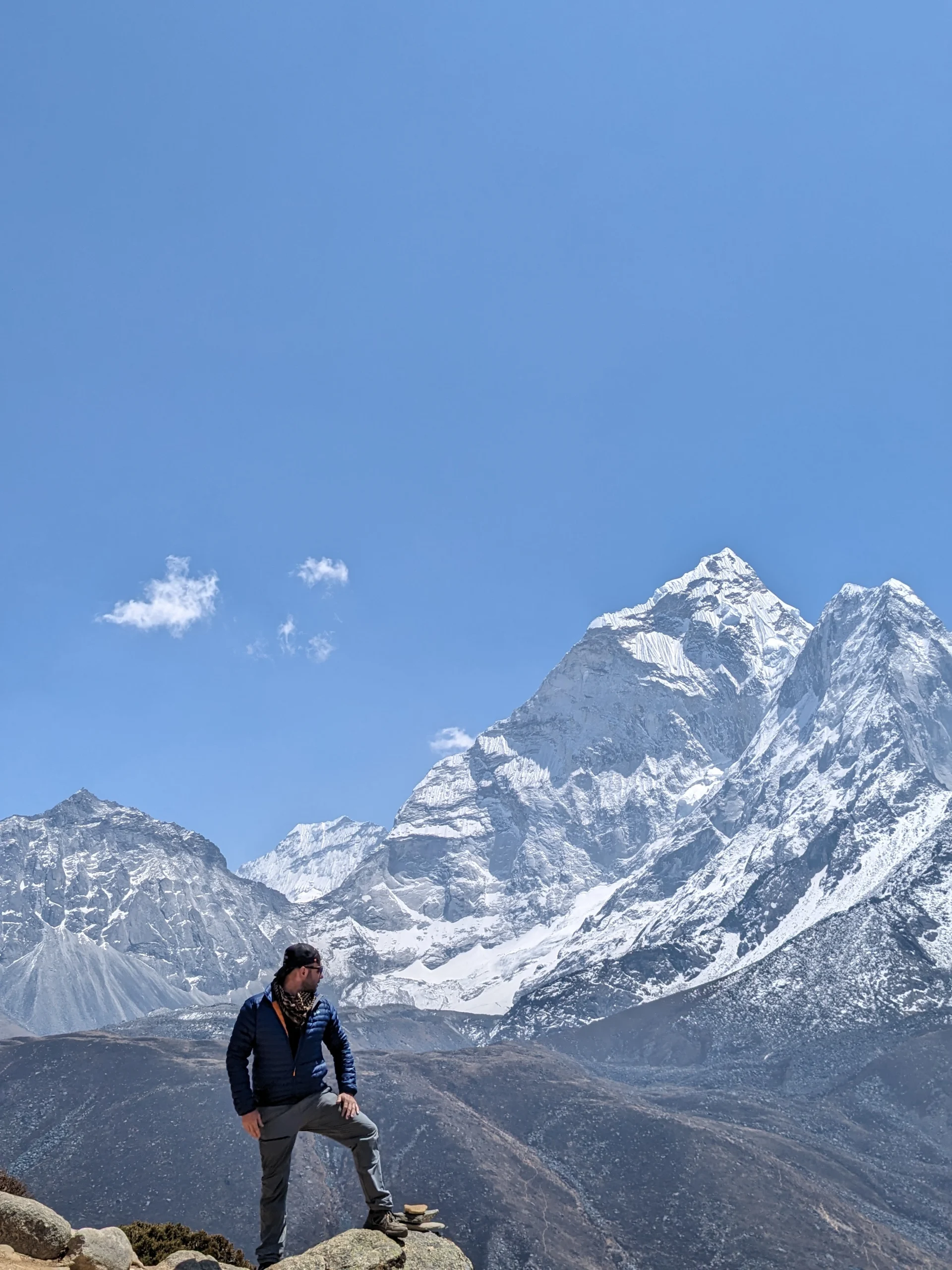
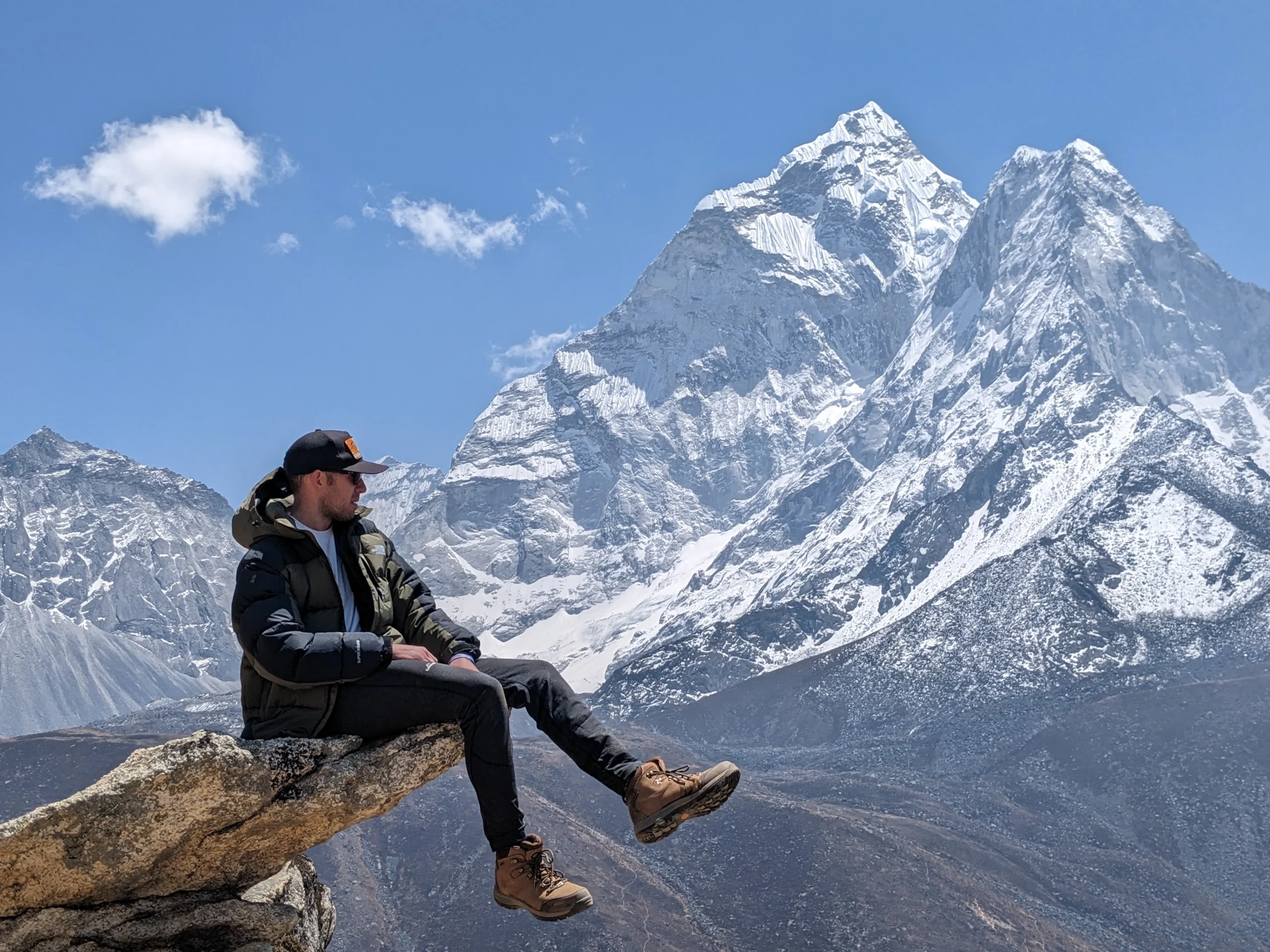
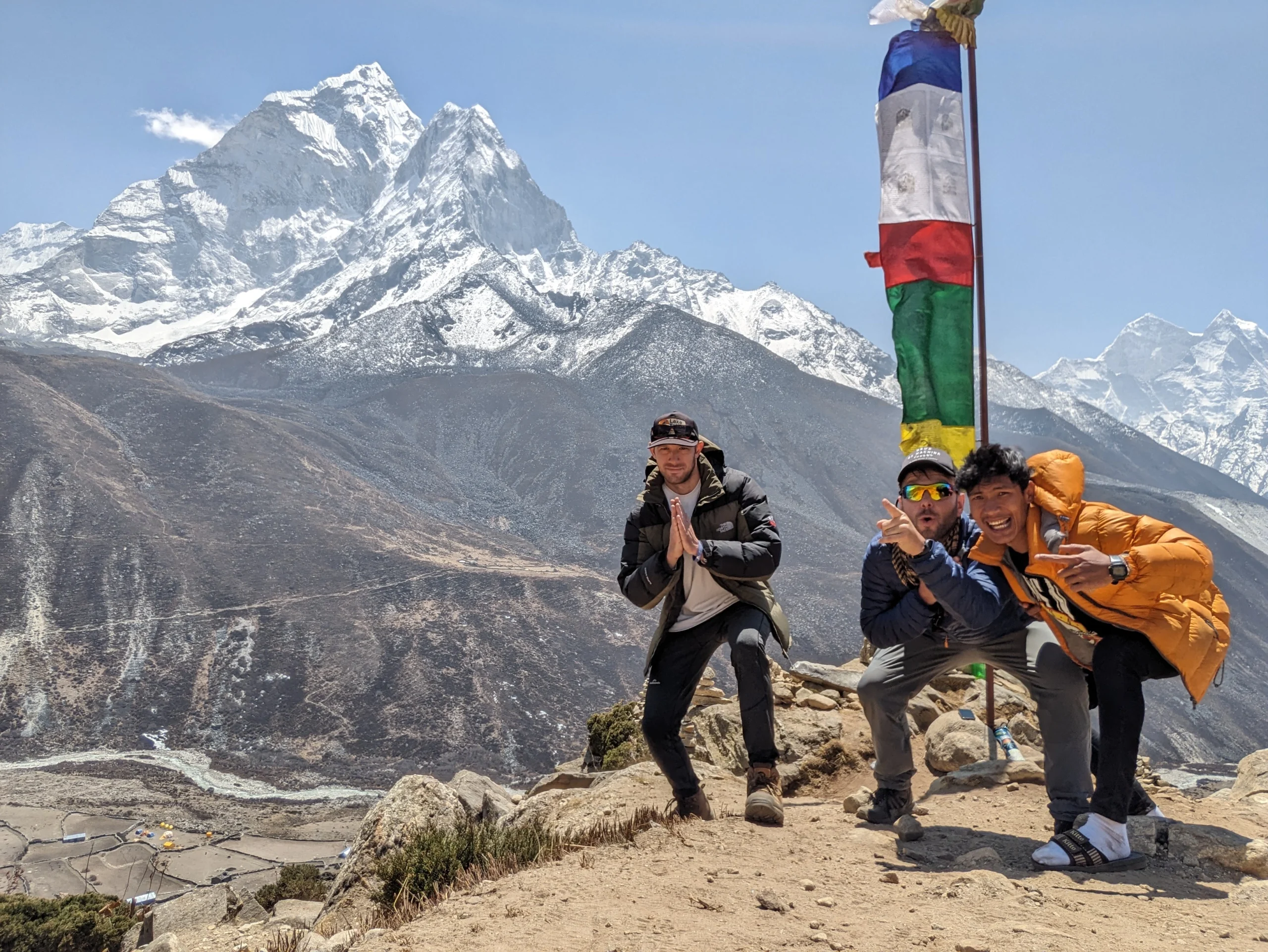
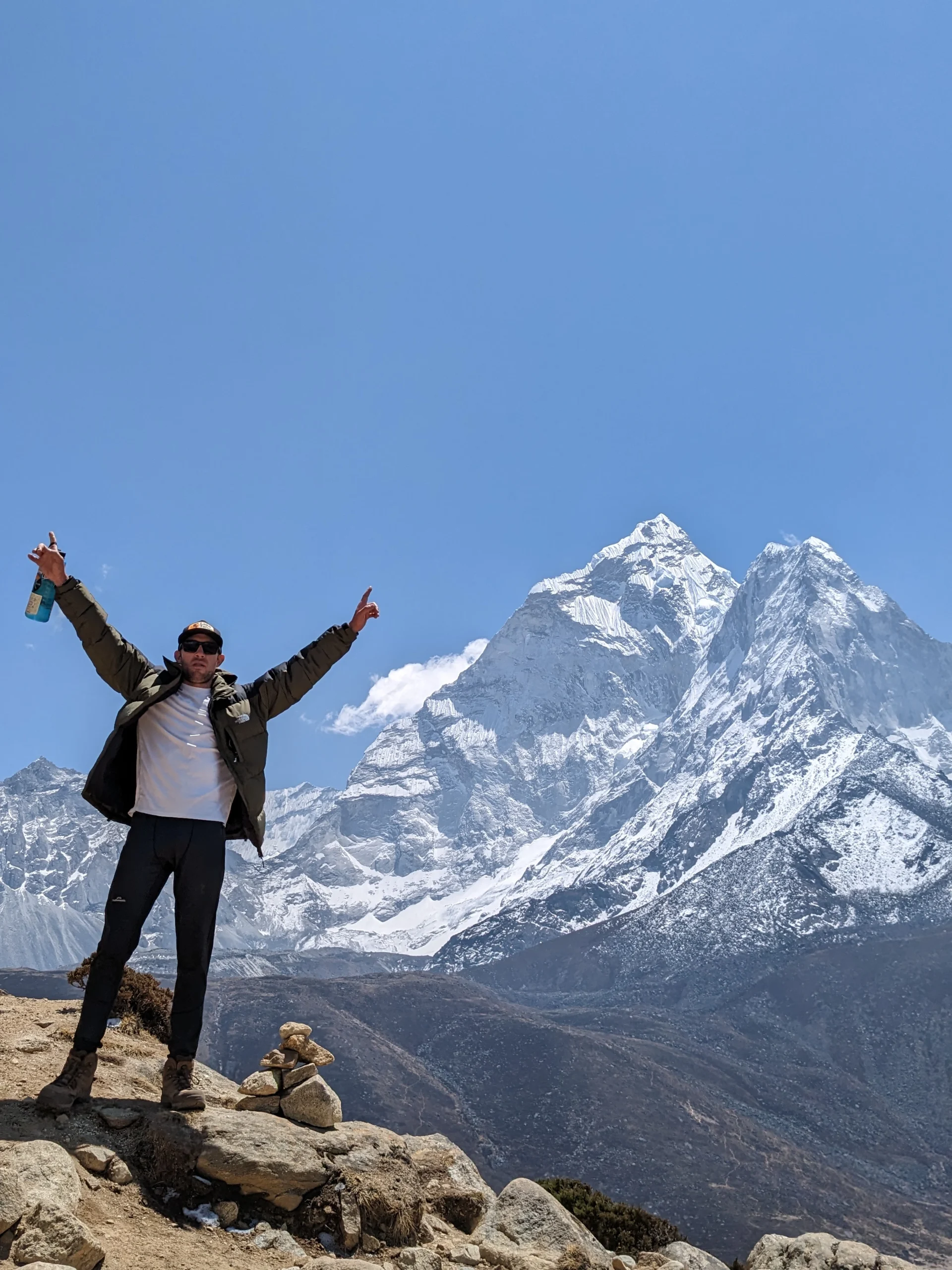
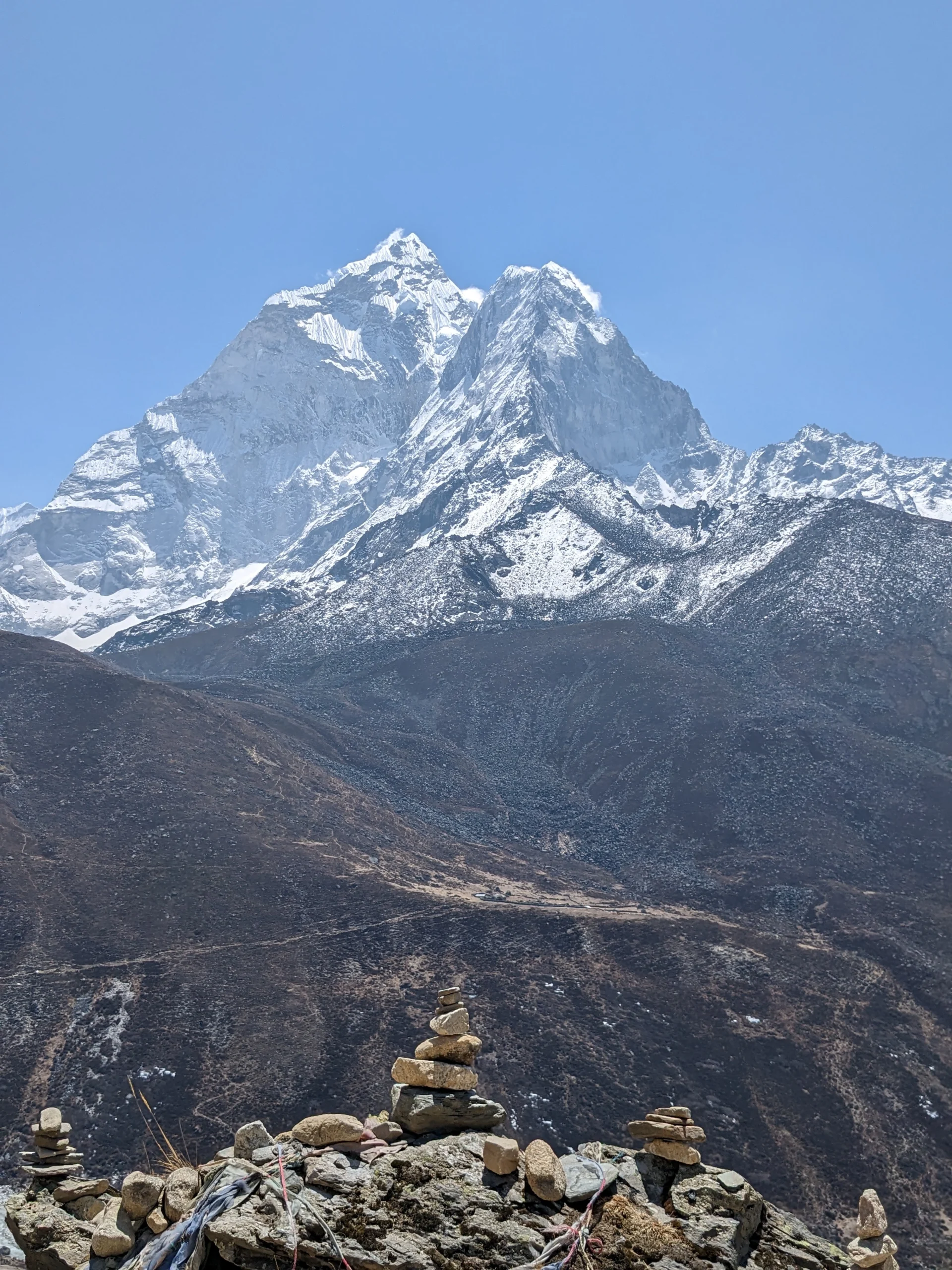
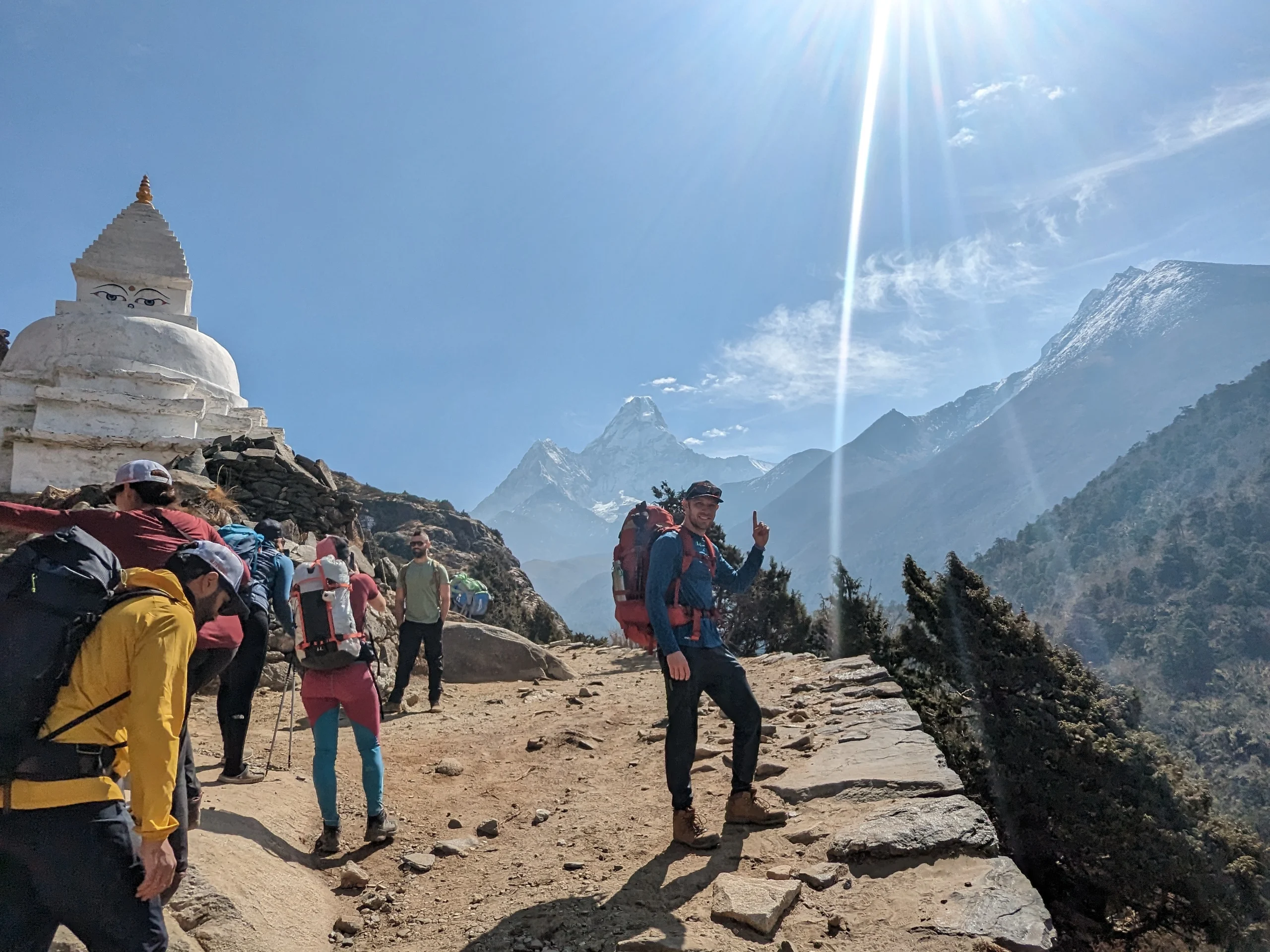
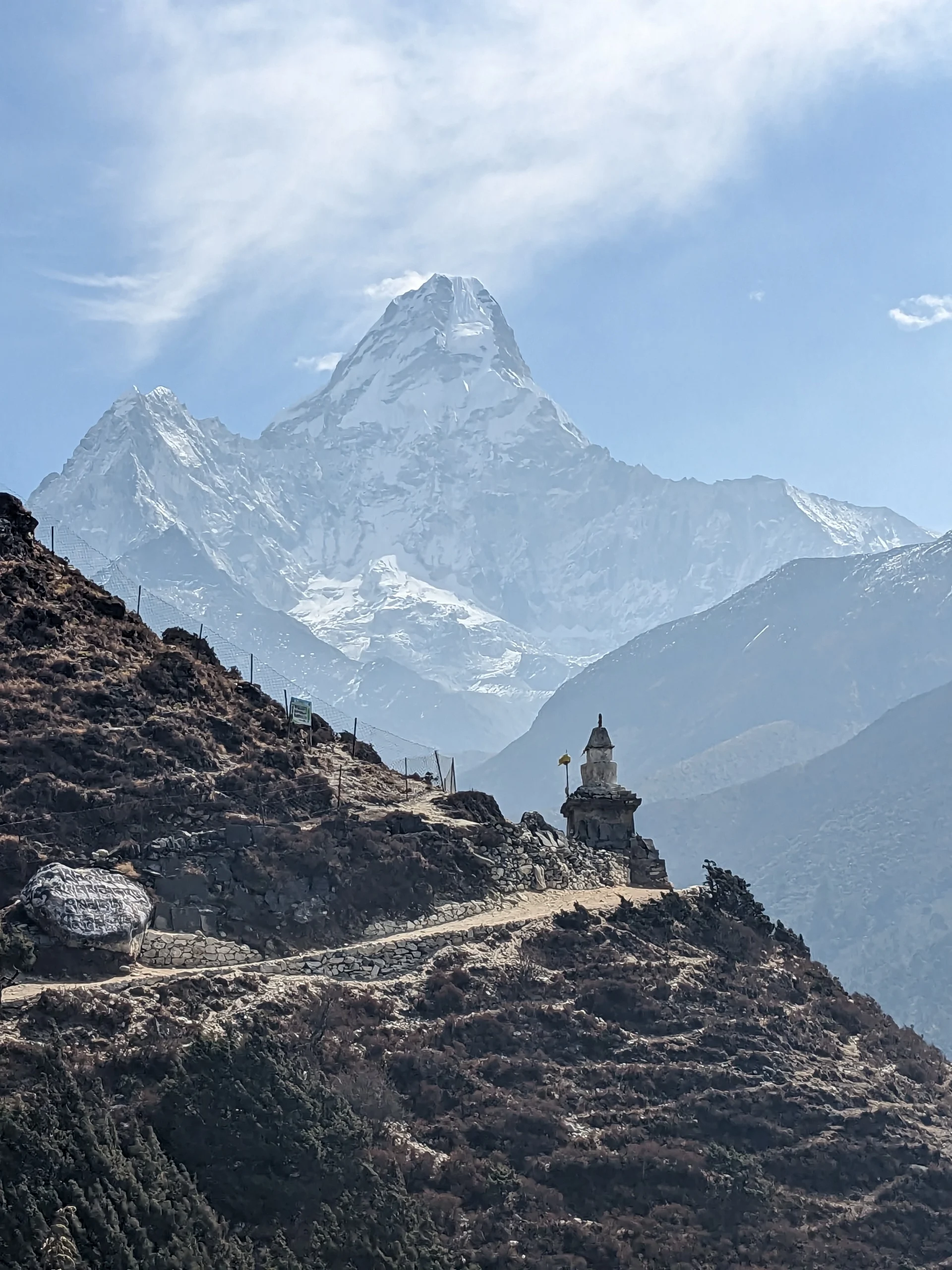

The Everest Base Camp Luxury Trek is considered moderately difficult. It involves trekking at high altitudes, with daily hikes ranging from 4 to 8 hours. While no technical climbing is required, a good level of fitness is necessary to cope with the physical demands of the trek, especially given the challenging terrain and thin air at higher elevations. Acclimatization days are built into the itinerary to help trekkers adjust to the altitude.
The best times to trek to Everest Base Camp are during the spring (March to May) and autumn (September to November) seasons. During these months, the weather is generally stable, and the skies are clear, offering stunning views of the Himalayas. Trekking is also possible in winter (December to February) and monsoon (June to August), but these seasons bring challenges like colder temperatures, snow, and rain.
The highest point of the Everest Base Camp Trek is Kala Patthar, which stands at 5,545 meters (18,192 feet). This viewpoint offers the best panoramic views of Mount Everest and surrounding peaks. The Everest Base Camp itself is at an altitude of 5,364 meters (17,598 feet).
Yes, travel insurance is mandatory for the Everest Base Camp Trek. Your insurance should cover high-altitude trekking (up to 6,000 meters), emergency evacuation by helicopter, medical treatment, and other potential emergencies. It’s important to check with your insurance provider to ensure that all activities and regions covered in the trek are included in your policy.
For the Everest Base Camp Luxury Trek, you should pack clothing suitable for cold weather and layering, including:
You should also bring a valid passport, trekking permits, and travel insurance documents. The trekking company usually provides a comprehensive packing list.
High-altitude trekking carries some risks, including Acute Mountain Sickness (AMS), which can affect anyone regardless of fitness level or experience. Symptoms of AMS include headaches, nausea, dizziness, and shortness of breath. The Everest Base Camp Trek itinerary includes acclimatization days to help minimize the risk of AMS. It’s important to stay hydrated, ascend slowly, and listen to your guide’s advice. If symptoms persist, descending to a lower altitude is necessary
To book the Everest Base Camp Trek, you can contact the Save Mountain Treks & Expedition directly through their website or via email. They will provide you with detailed information about the trek, pricing, and availability. Once you decide to proceed, you’ll need to make 10% deposit of the selected trek to confirm your booking. It’s recommended to book in advance, especially for peak trekking seasons, as accommodations and flights can fill up quickly.
Yes, the Everest Base Camp Luxury Trek can be customized to meet your specific needs and preferences. Whether you want to extend your stay, add more acclimatization days, or explore other regions of Nepal, Save Mountain Treks & Expedition can tailor the itinerary to create a personalized experience. Discuss your requirements with us through Email or WhatsApp.
Prior trekking experience is not required for the Everest Base Camp Luxury Trek, but it is recommended. Trekkers should be in good physical condition and comfortable walking for several hours a day on varied terrain. It’s also helpful to have some experience with high-altitude environments. If you’re new to trekking, you might consider starting with shorter or less challenging treks before attempting Everest Base Camp.
Two main permits are required for trekking to Everest Base Camp:
The luggage allowance for flights to Lukla is typically 15 kg (33 lbs) per person, including both your main luggage and carry-on. It’s essential to pack light and prioritize essential items for the trek. Excess baggage can be stored at your hotel in Kathmandu.
Tipping is not mandatory but is highly appreciated as a gesture of gratitude for the hard work of your guides and porters. Tipping can be done at the end of the trek.
Preventing altitude sickness involves proper acclimatization and hydration:
Respecting local culture and customs is crucial while trekking in Nepal:
There are ATMs and money exchange facilities in Kathmandu and Namche Bazaar. However, it’s advisable to carry enough cash (in Nepalese rupees) for the trek, as ATMs may not always be reliable, and exchange rates can vary. Lodges and shops in remote areas typically do not accept credit cards.
Flights to and from Lukla are often subject to weather-related delays or cancellations. It’s recommended to keep a flexible schedule and allow extra days in Kathmandu in case of delays. Save Mountain Treks & Expedition will assist with rebooking flights, coordinating logistics during such disruptions.
Booking Form