

The Manaslu Circuit and Tsum Valley trek represent one of Nepal’s most spectacular yet undiscovered trekking experiences. As seasoned trekking guides at Save Mountain Treks, we’ve witnessed countless adventurers fall in love with this magnificent region that perfectly blends raw natural beauty with rich cultural heritage. Unlike the crowded trails of Everest and Annapurna, the Manaslu Circuit offers an authentic Himalayan experience where ancient traditions still thrive.
Nestled in the Gorkha district of Nepal, this remarkable trek takes you around the world’s eighth-highest peak, Mount Manaslu (8,163m), while the sacred Tsum Valley adds a spiritual dimension to your journey. After guiding hundreds of trekkers through these pristine landscapes, we’ve compiled the ultimate list of 25 extraordinary experiences that make this trek truly unforgettable.
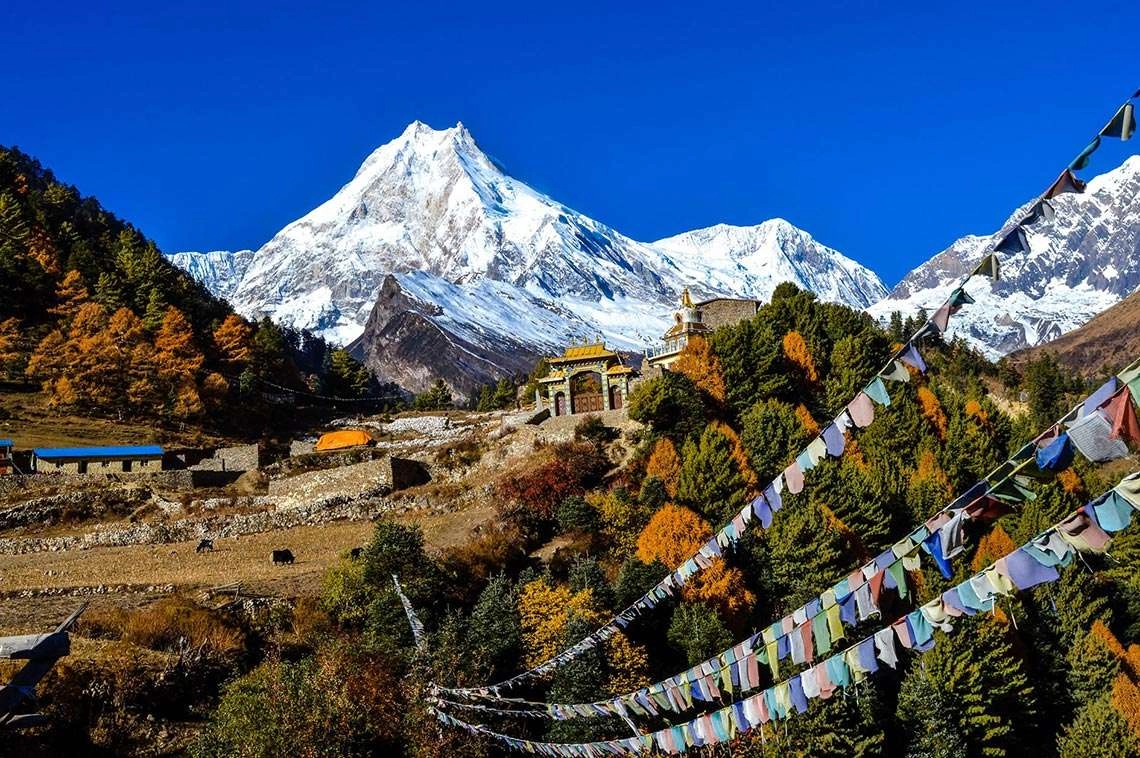
Before diving into our curated list, it’s essential to understand why this trek stands out among Nepal’s trekking destinations. The Manaslu region remained restricted to foreign trekkers until 1991, preserving its authentic character and pristine environment. Today, it offers the perfect balance of adventure and cultural immersion, making it ideal for experienced trekkers seeking something beyond the ordinary.
The trek combines two distinct yet complementary experiences: the challenging Manaslu Circuit with its dramatic mountain vistas and the mystical Tsum Valley, known as the “Hidden Valley” among locals. This combination creates an unparalleled trekking experience that showcases Nepal’s incredible diversity within a single journey.
The crown jewel of the Manaslu Circuit trek, crossing Larkya La Pass represents the ultimate high-altitude challenge. This technical pass demands respect and preparation, but rewards trekkers with breathtaking 360-degree views of the Himalayas. From the summit, you’ll witness giants like Himlung Himal, Cheo Himal, and Kang Guru standing majestically against the azure sky.
Our experienced guides at Save Mountain Treks have successfully led numerous groups across this pass, ensuring safety while maximizing the experience. The early morning ascent under starlit skies creates an almost spiritual atmosphere, culminating in one of the most spectacular sunrise views in the Himalayas.
Often called the “Hidden Valley,” Tsum Valley offers a unique glimpse into preserved Tibetan Buddhist culture. This sacred valley, surrounded by the Baudha Himal and Himal Chuli ranges, feels like stepping into a different world. The valley’s inhabitants, known as Tsumbas, maintain ancient traditions and speak their dialect.
The trek into Tsum Valley follows ancient trade routes used by pilgrims and traders for centuries. Prayer flags flutter in the mountain breeze, and the sound of prayer wheels creates a meditative atmosphere that soothes the soul. This detour from the main Manaslu Circuit adds 5-7 days to your journey but provides cultural experiences impossible to find elsewhere.
Perched at 3,700 meters, Mu Gompa stands as the highest monastery in the Tsum Valley and serves as a significant pilgrimage site for Tibetan Buddhists. This ancient monastery, dating back over 400 years, houses precious manuscripts, thangkas, and religious artifacts that tell stories of the valley’s spiritual heritage.
The monastery’s location offers stunning views of Ganesh Himal, and the peaceful atmosphere provides perfect opportunities for meditation and reflection. Our local guides, many of whom have personal connections to the monastery, can arrange meaningful interactions with the resident monks, offering insights into Buddhist philosophy and practices.
Samagaon, one of the largest villages in the Manaslu region, provides an authentic cultural immersion experience. Staying in traditional stone houses with local families offers insights into daily life in high-altitude communities. These homestays, carefully selected by Save Mountain Treks, ensure comfort while maintaining cultural authenticity.
The village sits at 3,530 meters and serves as a crucial acclimatization stop. Here, you’ll witness traditional farming practices, observe yak herding, and participate in daily activities that haven’t changed for generations. The warmth of local hospitality, combined with traditional meals cooked over wood fires, creates memories that last a lifetime.
The side trip to Manaslu Base Camp (4,400m) presents one of the trek’s most rewarding detours. This challenging day hike from Samagaon takes you through glacial moraines and alpine meadows to the base of the world’s eighth-highest peak. The proximity to this massive mountain creates an overwhelming sense of nature’s raw power.
The base camp offers unparalleled views of the Manaslu massif, with its towering seracs and hanging glaciers. This experience requires good physical condition and proper acclimatization, which our expert guides ensure through careful itinerary planning and health monitoring.
Hidden at 3,450 meters, Birendra Lake (also known as Birendra Tal) represents one of the region’s most spectacular natural wonders. This glacial lake, named after the late King Birendra, reflects the surrounding peaks like a perfect mirror on calm days. The lake’s turquoise waters create a striking contrast against the rugged mountain backdrop.
The trek to Birendra Lake from Samagaon takes a full day but rewards visitors with solitude and natural beauty. The lake holds spiritual significance for locals, and many consider it sacred. Our guides share local legends and stories associated with this mystical place, adding depth to the visual spectacle.
Chhokangparo, the largest village in Tsum Valley, serves as the cultural heart of this hidden region. The village showcases traditional Tibetan architecture, with flat-roofed houses adorned with prayer flags and carved wooden windows. The local Tsumba people maintain customs and traditions that have remained unchanged for centuries.
The village’s location at 3,010 meters provides stunning views of the surrounding peaks while offering cultural experiences like traditional weaving, butter tea preparation, and local festivals. During certain seasons, you might witness traditional ceremonies or participate in local celebrations, adding spontaneous cultural elements to your journey.
The Budhi Gandaki River carves one of Nepal’s most spectacular gorges, creating a dramatic landscape that defines much of the Manaslu Circuit’s character. Trekking through this gorge provides constantly changing scenery, from narrow valleys with rushing waters to wide glacial plains.
The gorge’s unique geology creates diverse microclimates, supporting varied flora and fauna. Our naturalist guides identify medicinal plants, explain geological formations, and point out wildlife that calls this region home. The sound of rushing water provides a constant soundtrack to your journey, creating a meditative walking experience.
The Manaslu region hosts numerous monasteries and gumbas, each with unique architectural styles and spiritual significance. Beyond Mu Gompa, destinations like Rachen Gompa, Gumba Lungdang, and local village gumbas offer insights into Buddhist practices and local beliefs.
These sacred sites house ancient artifacts, manuscripts, and religious art that represent centuries of spiritual devotion. Many monasteries welcome visitors for meditation sessions, prayer ceremonies, and cultural exchanges. Our guides, many of whom grew up in Buddhist traditions, facilitate meaningful interactions with monks and local practitioners.
The Manaslu Conservation Area protects diverse ecosystems supporting remarkable wildlife. The region hosts snow leopards, Himalayan tahr, blue sheep, musk deer, and over 200 bird species. While wildlife sightings require patience and luck, the biodiversity adds excitement to every trekking day.
Our experienced guides know animal behavior patterns and likely spotting locations, increasing your chances of wildlife encounters. The conservation area’s pristine environment supports healthy populations of endangered species, making every sighting a conservation success story.
Throughout the trek, you’ll encounter countless mani walls and prayer wheels, integral elements of Tibetan Buddhist culture. Learning to properly spin prayer wheels and understanding their significance adds spiritual depth to your journey. Each wheel contains sacred mantras, and spinning them clockwise is believed to generate positive karma.
Local communities maintain these spiritual installations, and participating in their upkeep connects you to centuries-old traditions. Our guides explain the spiritual significance behind these practices, allowing you to engage respectfully with local beliefs while gaining a deeper cultural understanding.
Strategic viewpoints throughout the trek provide spectacular panoramic vistas of the Himalayan range. Key viewpoints include the ridge above Samagaon, the Tsum Valley rim, and various high camps that offer sunrise and sunset photography opportunities.
These viewpoints showcase the region’s geological diversity and provide perfect locations for rest and reflection. Professional photographers in our groups often spend hours at these locations, capturing the interplay of light and shadow on the mountain faces. The changing light throughout the day creates ever-evolving landscape compositions.
Timing your trek to coincide with local festivals provides extraordinary cultural experiences. The Tsum Valley celebrates unique festivals like Lhosar (Tibetan New Year), Saga Dawa, and local harvest celebrations. These events showcase traditional music, dance, and community bonding.
Festival participation offers authentic cultural immersion impossible to experience in tourist areas. Locals welcome visitors to join celebrations, sharing traditional food, chang (local beer), and stories. These spontaneous cultural exchanges often become trek highlights, creating lasting friendships and memories.
The Manaslu Circuit features numerous suspension bridges spanning deep gorges and rushing rivers. These bridges, some over 100 meters long, provide thrilling crossings while offering unique perspectives of the surrounding landscape. The bridges’ engineering showcases local ingenuity in challenging mountain terrain.
Crossing these bridges requires mental fortitude and adds adventure elements to your trek. Our guides ensure safety while encouraging trekkers to embrace these exciting challenges. The bridges also serve as excellent photography subjects, framing dramatic landscape compositions.
High-altitude agriculture in the Manaslu region demonstrates remarkable human adaptation to challenging environments. Terraced fields growing barley, buckwheat, and potatoes showcase centuries of agricultural innovation. Traditional farming methods, unchanged for generations, provide sustainable food production in harsh conditions.
Interacting with local farmers offers insights into seasonal cycles, crop rotation, and traditional knowledge systems. Many families welcome visitors to observe daily activities like plowing, harvesting, and food processing. These interactions provide authentic cultural experiences while supporting local communities.
The Manaslu region’s geological diversity creates fascinating rock formations, glacial features, and mineral deposits. Ancient marine fossils found at high altitudes tell stories of geological upheaval, while glacial moraines and erratic boulders demonstrate ice age activity.
Our guides with geological training explain these formations’ origins and significance, adding educational value to your trek. The region’s geological instability also creates ongoing landscape changes, making each visit unique. Understanding these processes enhances appreciation for the Himalayas’ dynamic nature.
The Manaslu region’s cuisine reflects its cultural diversity, combining Tibetan, Nepali, and local Tsumba influences. Traditional dishes like thukpa (noodle soup), momos (dumplings), and tsampa (roasted barley flour) provide both nutritional and cultural experiences.
Local ingredients like yak cheese, dried meat, and highland vegetables create unique flavors impossible to find elsewhere. Cooking methods using wood fires and traditional utensils add authentic elements to every meal. Our carefully selected teahouses and homestays ensure food safety while maintaining cultural authenticity.
Local artisans throughout the region create beautiful handicrafts using traditional techniques. Carpet weaving, woodcarving, and metalwork represent skills passed down through generations. These crafts serve both practical and decorative purposes in daily life.
Visiting workshops and observing artisans provides insights into traditional knowledge systems and artistic expressions. Many items make meaningful souvenirs while supporting local economies. Our guides can arrange visits to specific workshops and explain the cultural significance behind different crafts.
The trek passes through diverse ecosystems, from subtropical forests to alpine meadows. Spring seasons transform hillsides into rhododendron gardens, while summer brings wildflower displays in high meadows. These natural gardens provide perfect settings for rest and photography.
Different elevations support unique plant communities, creating constantly changing scenery. Our naturalist guides identify medicinal plants, explain ecological relationships, and share traditional uses for various species. These natural environments provide peaceful interludes between challenging trekking sections.
The Tsum Valley maintains strong traditions of Tibetan medicine, with local practitioners (amchis) using traditional healing methods. These healers combine herbal remedies, diagnostic techniques, and spiritual practices to treat various ailments.
Meeting traditional healers provides insights into alternative medicine systems and holistic health approaches. Many practitioners welcome visitors to learn about medicinal plants and diagnostic methods. These interactions offer unique perspectives on health and wellness from ancient wisdom traditions.
Many monasteries and gumbas conduct morning prayer ceremonies open to visitors. These spiritual gatherings provide authentic religious experiences and opportunities for meditation and reflection. The ceremonial chanting, incense burning, and ritual activities create powerful spiritual atmospheres.
Participating respectfully in these ceremonies offers deep cultural immersion and spiritual enrichment. Our guides explain proper etiquette and ceremony meanings, ensuring respectful participation. These experiences often become profoundly meaningful parts of the trekking journey.
The upper reaches of the Manaslu Circuit traverse glacial landscapes with moraines, seracs, and ice formations. These features demonstrate glacial activity and climate change impacts while creating spectacular scenery. Understanding glacial processes adds scientific interest to the adventure.
Navigating these features requires technical skills and proper equipment, which our experienced guides provide. The constantly changing ice environment creates unique challenges and photographic opportunities. These sections represent the trek’s most adventurous and technically demanding aspects.
Yak herding represents the primary livelihood for many high-altitude communities. Meeting herders and observing their daily activities provides insights into traditional pastoral lifestyles. These hardy animals provide milk, meat, fiber, and transportation services essential for mountain communities.
Herders often welcome visitors to learn about yak care, milking techniques, and traditional dairy processing. These interactions offer authentic cultural experiences while supporting local livelihoods. The relationship between herders and their animals demonstrates sustainable mountain agriculture practices.
The Manaslu region offers numerous locations for spectacular sunrise and sunset photography. High-altitude camps and viewpoints provide unobstructed views of mountain ranges bathed in golden light. The interplay of light and shadow creates dramatic compositions perfect for photography.
Professional photographers in our groups often plan entire days around optimal lighting conditions. The region’s clear air and high altitude create exceptional visibility and color saturation. These photographic opportunities often become trip highlights and provide lasting memories.
Perhaps the most significant aspect of the Manaslu Circuit & Tsum Valley trek is the personal growth that comes from embracing challenges in one of the world’s most pristine environments. The combination of physical demands, cultural immersion, and spiritual experiences creates conditions for profound personal transformation.
Many trekkers report that this journey changes their perspectives on life, relationships, and personal capabilities. The solitude, natural beauty, and cultural richness provide perfect conditions for self-reflection and personal discovery. Our guides understand this transformative aspect and create supportive environments for personal growth.
The Manaslu Circuit & Tsum Valley trek demand excellent physical fitness. We recommend beginning training at least 3-4 months before departure, focusing on cardiovascular endurance, leg strength, and hiking stamina. Regular long-distance hikes with weighted packs simulate trekking conditions and build necessary endurance.
This trek requires special permits including the Manaslu Restricted Area Permit, Manaslu Conservation Area Permit, and Annapurna Conservation Area Permit. Save Mountain Treks handles all permit arrangements, ensuring compliance with current regulations and supporting local conservation efforts.
Spring (March-May) and autumn (September-November) provide optimal weather conditions. Spring offers rhododendron blooms and warmer temperatures, while autumn provides clear mountain views and stable weather. Winter and monsoon seasons present significant challenges and are generally not recommended.
The trek combines teahouse accommodation with camping in remote areas. Our carefully selected accommodations ensure comfort while maintaining authentic experiences. Meals feature local cuisine with international options, providing proper nutrition for high-altitude activities.
As Nepal’s leading trekking agency specializing in the Manaslu region, Save Mountain Treks brings unparalleled expertise and local knowledge to your adventure. Our team includes experienced guides who grew up in the region, ensuring authentic cultural experiences and safe mountain travel.
We maintain strong relationships with local communities, ensuring that your trek supports sustainable tourism development. Our commitment to responsible trekking practices protects the environment while providing economic benefits to local families.
Our comprehensive services include permit arrangements, equipment rental, experienced guides, porters, and emergency support. We handle all logistics, allowing you to focus on enjoying your transformative Himalayan adventure.
The Manaslu Circuit & Tsum Valley trek offers an unparalleled combination of natural beauty, cultural richness, and personal challenge. These 25 extraordinary experiences represent just a glimpse of what awaits in this pristine region of Nepal.
From crossing the legendary Larkya La Pass to experiencing ancient Tibetan culture in the mystical Tsum Valley, every day brings new adventures and discoveries. The trek’s perfect balance of physical challenge and cultural immersion creates conditions for profound personal transformation.
Save Mountain Treks stands ready to guide you through this extraordinary journey, ensuring safety, authenticity, and unforgettable memories. Our local expertise, combined with international service standards, guarantees an adventure that exceeds expectations while supporting sustainable tourism development.
Don’t let this opportunity slip away. Contact Save Mountain Treks today to begin planning your ultimate Himalayan adventure. The mountains are calling, and your transformative journey through the Manaslu Circuit & Tsum Valley awaits.

20 August 2026


