Planning your dream trekking to Nepal ? One of the most frequently asked questions by international trekkers is whether hiring a guide is necessary for trekking in Nepal. The answer has evolved significantly in recent years, and understanding the current regulations is essential for planning a safe and legal Himalayan adventure.
The Short Answer: Yes, as of 2025, hiring a licensed guide is mandatory for all foreign trekkers in Nepal’s national parks and protected areas, with the notable exception of the Everest region. This requirement, implemented by the Nepal Tourism Board (NTB), aims to enhance trekker safety, support local communities, and preserve Nepal’s pristine mountain environment.

Nepal’s Trekking Regulations
The Mandatory Guide Rule
Since April 1, 2023, Nepal has implemented strict regulations requiring all foreign independent trekkers (FITs) to hire a government-licensed guide or join organized treks when trekking in official national parks and protected areas. This policy represents a significant shift from previous years when solo trekking was permitted in most regions.
The regulation specifically targets:
- Solo foreign trekkers
- Independent travelers not part of organized groups
- Anyone trekking without local support
Which Areas Require Mandatory Guides?
The mandatory guide requirement applies to most of Nepal’s popular trekking regions, including:
Annapurna Region
Langtang Region
Manaslu Region
The Everest Exception
The Everest region (Sagarmatha National Park) remains the only major trekking area where solo trekking is still permitted. This includes:
However, even in the Everest region, hiring a guide is highly recommended for safety, navigation, and cultural insights.

Why Nepal Implemented the Mandatory Guide Rule
Safety Concerns
Nepal’s decision to require guides stems from several safety incidents involving solo trekkers. The Himalayas present unique challenges including:
Altitude-Related Risks
- Acute Mountain Sickness (AMS)
- High Altitude Pulmonary Edema (HAPE)
- High Altitude Cerebral Edema (HACE)
- Difficulty recognizing altitude sickness symptoms
Navigation Challenges
- Poorly marked trails in remote areas
- Weather-related visibility issues
- Trail variations and route confusion
- Risk of getting lost in wilderness areas
Emergency Situations
- Limited communication in remote areas
- Difficulty coordinating rescue operations
- Language barriers with local communities
- Lack of immediate medical assistance
Supporting Local Communities
The mandatory guide requirement directly benefits Nepal’s mountain communities by:
Economic Impact
- Employing local guides
- Supporting porter communities
- Boosting local lodge and teahouse businesses
- Distributing tourism revenue to remote areas
Cultural Preservation
- Encouraging authentic cultural exchanges
- Supporting traditional mountain lifestyles
- Preserving Indigenous knowledge and practices
- Maintaining cultural authenticity in tourism
Environmental Conservation
Licensed guides play a crucial role in environmental protection through:
Responsible Trekking Practices
- Educating trekkers about Leave No Trace principles
- Ensuring proper waste disposal
- Promoting sustainable tourism practices
- Protecting fragile mountain ecosystems
Wildlife Protection
- Preventing disturbance to wildlife habitats
- Educating trekkers about protected species
- Monitoring illegal activities
- Supporting conservation efforts
Benefits of Hiring a Licensed Guide in Nepal
Safety and Security Advantages
Expert Knowledge Licensed guides possess extensive knowledge of:
- Local weather patterns and seasonal changes
- Trail conditions and route variations
- Emergency procedures and evacuation protocols
- First aid and altitude sickness recognition
- Communication with rescue services
Risk Mitigation
- Continuous health monitoring
- Early detection of altitude sickness
- Navigation assistance in challenging terrain
- Emergency response coordination
- Local emergency contact networks
Cultural and Educational Value
Authentic Experiences
- Deep insights into local culture and traditions
- Authentic interactions with mountain communities
- Understanding of Buddhist and Hindu practices
- Knowledge of local history and legends
- Access to off-the-beaten-path experiences
Language Support
- Translation services with local communities
- Assistance with lodge negotiations
- Cultural etiquette guidance
- Communication with porters and staff
- Smoother logistics coordination
Logistical Support
Trip Planning
- Optimal itinerary customization
- Accommodation arrangements
- Permit processing assistance
- Equipment recommendations
- Weather-based route adjustments
On-Trail Support
- Daily schedule optimization
- Rest day recommendations
- Alternative route suggestions
- Emergency contingency planning
- Equipment problem solving

Types of Guides Available in Nepal
Government Licensed Trekking Guides
Training and Certification Licensed guides must complete:
- 33-day training program by Nepal Academy of Tourism and Hotel Management (NATHM)
- Wilderness First Aid certification
- English language proficiency tests
- Cultural sensitivity training
- Environmental conservation education
Expertise Levels
- Basic licensed guides (general trekking)
- Specialized high-altitude guides
- Technical climbing guides
- Cultural heritage guides
- Wildlife and nature guides
Guide Experience Categories
Junior Guides (1-3 years experience)
- Basic route knowledge
- Standard safety protocols
- Fundamental cultural insights
- Cost-effective option
- Suitable for popular routes
Senior Guides (5-10 years experience)
- Extensive route knowledge
- Advanced emergency response
- Deep cultural understanding
- Multilingual capabilities
- Specialized route expertise
Master Guides (10+ years experience)
- Comprehensive mountain knowledge
- Expert-level safety management
- Cultural ambassador status
- Customized experience design
- Premium service delivery
Cost-Benefit Analysis
Value Beyond Cost While hiring a guide represents an additional expense, the benefits include:
- Enhanced safety and security
- Cultural enrichment
- Stress-free logistics
- Emergency support
- Local community support
Budget-Friendly Options
- Group trekking with shared guide costs
- Shorter duration treks
- Popular route selections
- Off-season trekking discounts
- Package deals with accommodation
How to Choose the Right Guide
Essential Qualifications
Mandatory Requirements
- Valid government license
- Current first aid certification
- Relevant trekking experience
- Good physical fitness
- Basic English proficiency
Preferred Qualifications
- Specialized route experience
- Advanced wilderness training
- Cultural knowledge certification
- Client references and reviews
- Emergency response experience
Vetting Process
Questions to Ask
- How many years of guiding experience?
- Specific experience on your chosen route?
- First aid and emergency training?
- Client references from recent treks?
- Emergency communication equipment?
Red Flags to Avoid
- Unlicensed or uncertified guides
- Unrealistic pricing (too cheap)
- Lack of insurance coverage
- No emergency contact protocols
- Poor communication skills
Popular Trekking Routes and Guide Requirements
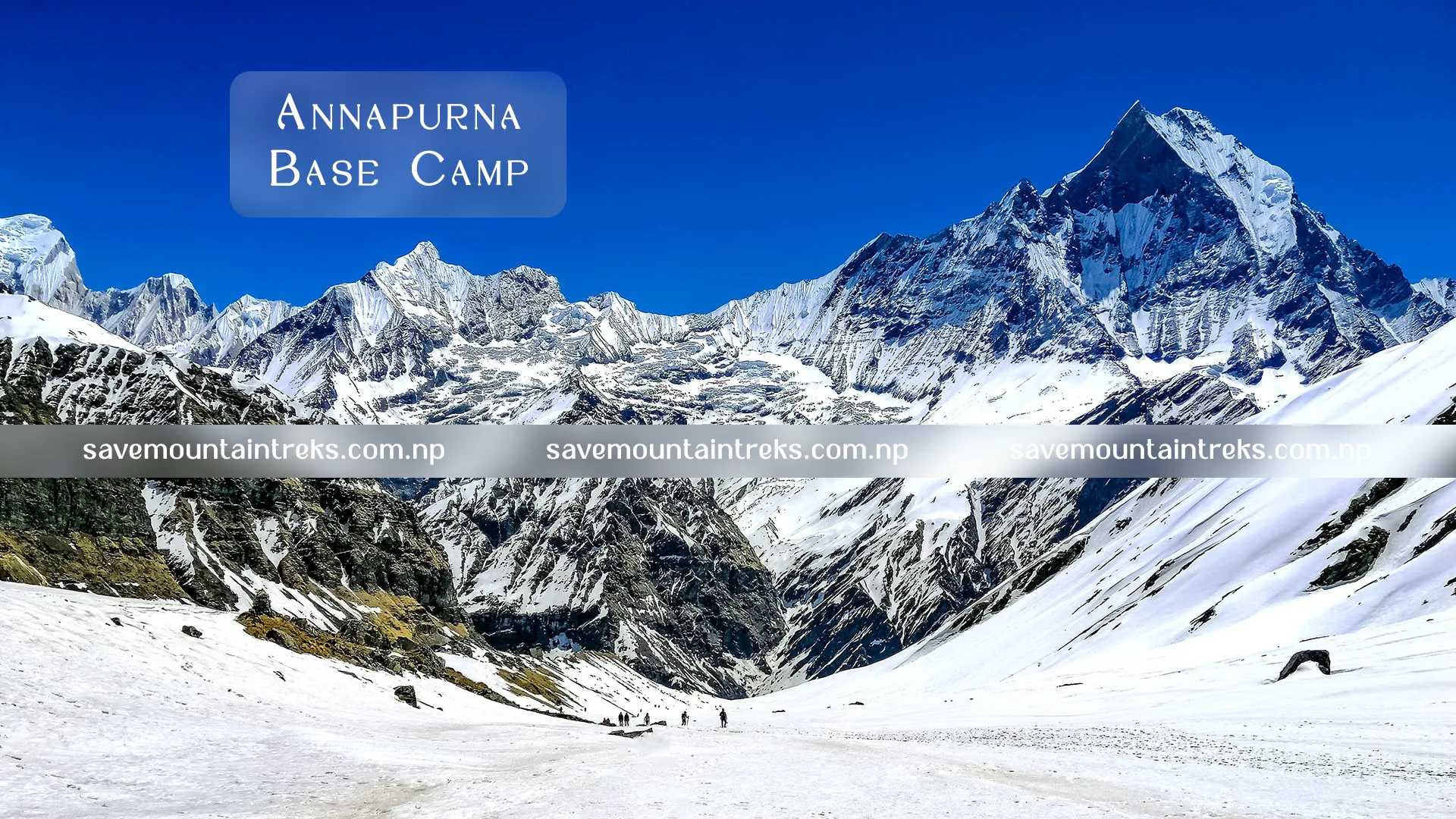
Route Overview
- Duration: 10-14 days
- Maximum altitude: 4,130m
- Difficulty: Moderate
- Best seasons: March-May, September-November
Why a Guide is Essential
- Complex route variations
- Weather-dependent trail conditions
- Cultural village interactions
- Avalanche risk awareness
- Emergency evacuation knowledge
Route Overview
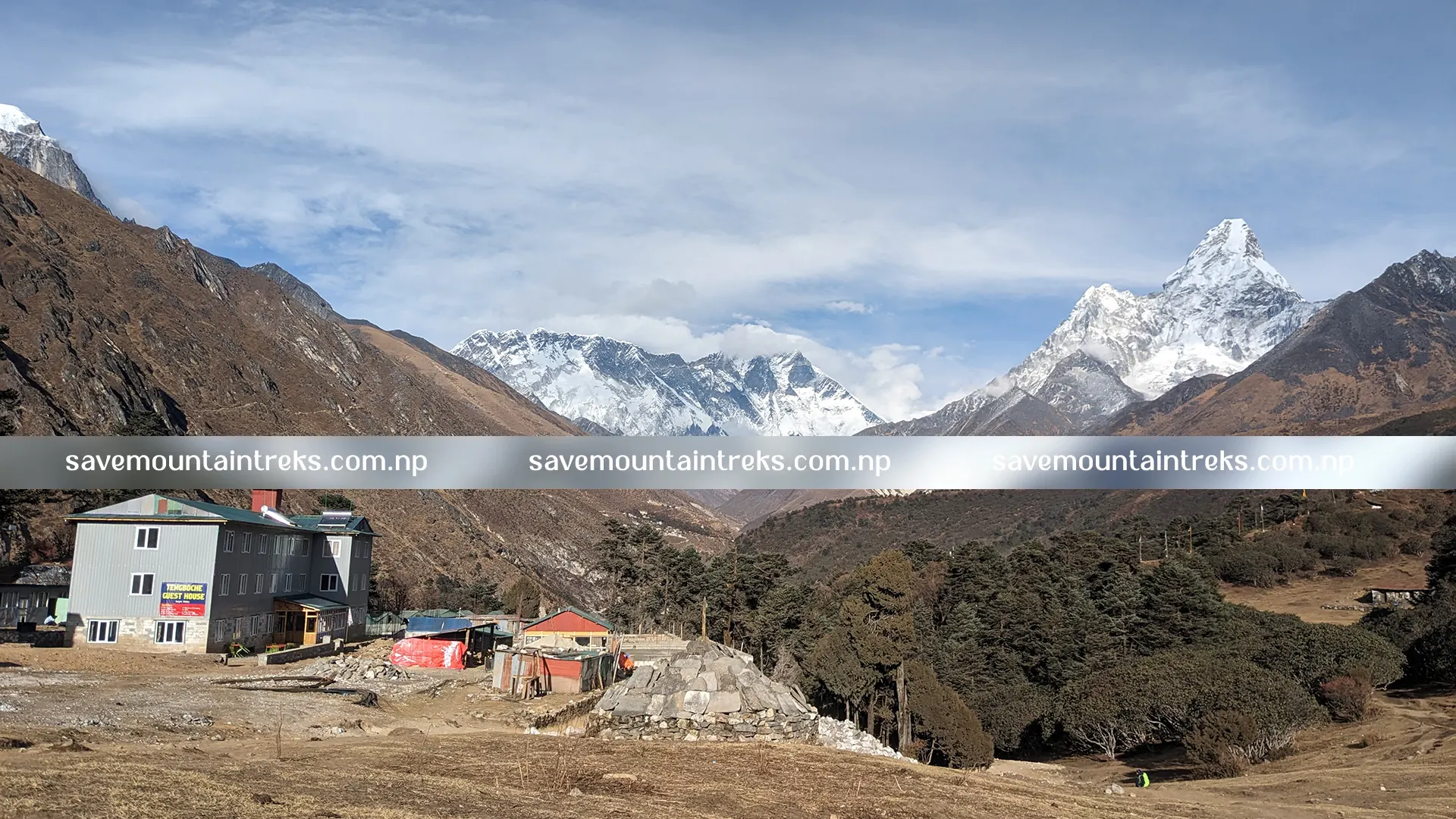
- Duration: 12-16 days
- Maximum altitude: 5,364m
- Difficulty: Challenging
- Best seasons: March-May, September-November
Guide Benefits (Though Optional)
- Altitude acclimatization expertise
- Sherpa cultural insights
- Emergency helicopter coordination
- Route optimization
- Historical expedition knowledge
Route Overview
- Duration: 7-10 days
- Maximum altitude: 4,984m
- Difficulty: Moderate
- Best seasons: March-May, September-November
Guide Requirements
- Post-earthquake trail knowledge
- Avalanche risk assessment
- Cultural sensitivity training
- Emergency evacuation routes
- Weather pattern expertise

Route Overview
- Duration: 14-18 days
- Maximum altitude: 5,106m
- Difficulty: Challenging
- Best seasons: March-May, September-November
Specialized Guide Needs
- Restricted area permit knowledge
- High-altitude experience
- Cultural protocol understanding
- Emergency communication access
- Technical crossing expertise

Permits and Documentation
Required Permits
TIMS Card (Trekkers’ Information Management System)
- Mandatory for all trekkers
- Cost: $10-20 depending on trek type
- Valid for specific routes and dates
- Must be carried during trek
National Park Permits
- Sagarmatha National Park: $30
- Annapurna Conservation Area: $30
- Langtang National Park: $30
- Manaslu Conservation Area: $30
Special Permits
- Upper Mustang: $500 (10 days)
- Upper Dolpo: $500 (10 days)
- Kanchenjunga: $10 per week
- Makalu Barun: $10 per week
Guide’s Role in Permit Processing
Services Provided
- Permit application assistance
- Document verification
- Fee payment coordination
- Permit collection
- Checkpoint management
Cultural Sensitivity and Respect
Understanding Local Customs
Religious Practices
- Buddhist monastery etiquette
- Hindu temple protocols
- Prayer flag significance
- Chorten respect guidelines
- Sacred site behavior
Social Interactions
- Greetings customs, and traditions
- Gift-giving appropriate practices
- Photography permission protocols
- Dress code requirements
- Meal sharing etiquette
Environmental Responsibility
Leave No Trace Principles
- Proper waste disposal
- Water source protection
- Wildlife respect guidelines
- Vegetation preservation
- Cultural site protection
Sustainable Tourism Practices
- Local product purchasing
- Community lodge support
- Porter welfare standards
- Environmental fee payments
- Conservation activity participation
Preparing for Your Guided Trek
Physical Fitness Requirements
Cardiovascular Preparation
- Regular aerobic exercise program
- Altitude training if possible
- Endurance building activities
- Flexibility and strength training
- Health checkup completion
Mental Preparation
- Expectation management
- Cultural sensitivity awareness
- Emergency response understanding
- Group dynamics preparation
- Challenge acceptance mindset
Essential Equipment
Personal Gear
- High-quality trekking boots
- Layered clothing system
- Sleeping bag (appropriate rating)
- Trekking poles
- Personal first aid kit
Safety Equipment
- Headlamp with extra batteries
- Emergency whistle
- Water purification tablets
- Sunglasses and sunscreen
- Emergency shelter
Working with Your Guide
Communication Best Practices
- Clear expectation setting
- Open communication channels
- Respect for local knowledge
- Flexibility with itinerary changes
- Appreciation for cultural insights
Building Rapport
- Cultural interest demonstration
- Respect for guide expertise
- Patience with language barriers
- Appreciation for safety measures
- Tip and review consideration
Alternative Options for Budget-Conscious Trekkers
Group Trekking Options
Organized Group Treks
- Shared guide costs
- Fixed departure dates
- Established itineraries
- Social interaction opportunities
- Cost-effective pricing
Private Group Formation
- Custom group assembly
- Shared expense distribution
- Flexible itinerary design
- Personal guide allocation
- Moderate cost savings
Off-Season Trekking
Shoulder Season Benefits
- Reduced guide fees
- Lower accommodation costs
- Fewer crowds
- Enhanced cultural interactions
- Better guide availability
Weather Considerations
- Monsoon season challenges
- Winter trekking preparations
- Cloud cover limitations
- Trail condition variations
- Safety precaution increases
Choosing Save Mountain Treks
As a locally-owned trekking company based in Nepal, Save Mountain Treks offers:
Expert Guide Services
- Fully licensed and certified guides
- Comprehensive safety training
- Cultural expertise and insights
- Emergency response capabilities
- Multilingual communication skills
Comprehensive Services
- Permit processing assistance
- Equipment rental options
- Accommodation arrangements
- Transportation coordination
- Emergency support systems
Commitment to Excellence
- Safety-first approach
- Cultural sensitivity training
- Environmental responsibility
- Community support initiatives
- Client satisfaction guarantee
At Last
The mandatory guide requirement for trekking in Nepal represents a positive evolution in mountain tourism, prioritizing safety, cultural authenticity, and sustainable tourism practices. While it adds to the overall cost of trekking, the benefits far outweigh the expense, providing enhanced safety, cultural enrichment, and peace of mind for international trekkers.
Whether you’re planning the classic Annapurna Base Camp Trek, the challenging Everest Base Camp journey, or exploring the hidden gems of Langtang Valley, hiring a licensed guide ensures your Himalayan adventure is safe, memorable, and culturally enriching.
At Save Mountain Treks, we’re committed to providing exceptional guided trekking experiences that exceed your expectations while supporting local communities and preserving Nepal’s pristine mountain environment. Our team of expert guides, comprehensive safety protocols, and commitment to sustainable tourism make us your ideal partner for exploring the world’s highest mountains.
Ready to embark on your Himalayan adventure? Contact Save Mountain Treks today to discuss your trekking plans and connect with our experienced local guides who will transform your Nepal trekking dream into an unforgettable reality.


